Finger Lakes Wine Festivals And Wine Trail Events: A Season-By-Season Guide
The Finger Lakes does not run one big wine festival. It runs dozens of small, recurring winery events that shift dates every year, which makes planning around them a different job than booking a ticket to a single fixed festival.
Short answer
The Finger Lakes has no single flagship wine festival with a fixed annual date. Instead, wineries across Seneca, Keuka, Cayuga, and Canandaigua lakes run recurring seasonal events, with harvest celebrations each fall being the most reliable pattern. Check individual winery calendars, or book a guided tasting tour, from $253 per person, any weekend.
The Finger Lakes wine scene does not organize itself around one big annual festival the way some wine regions do. What exists instead is a rolling calendar of smaller events, winery anniversary weekends, harvest parties, vertical tastings, and trail-wide passport programs, spread across the more than 100 wineries that Finger Lakes Wine Country counts in the region. That structure has a real consequence for trip planning: dates move, lineups change, and the honest answer to "when is the wine festival" is usually "which winery, and which month?"
This guide walks through what the festival landscape actually looks like, season by season, without inventing dates. No specific festival date has been verified for any current or future year, so everything below describes recurring patterns and points you to where the live calendar lives. It also covers the reliable year-round alternative: guided tasting tours that run every weekend whether or not anything special is happening at the wineries.
What Counts As A Finger Lakes Wine Festival?
A Finger Lakes wine festival is usually a single winery's themed weekend rather than a region-wide ticketed event: harvest parties in fall, release weekends in spring and summer, and holiday open houses in winter, each hosted at an individual tasting room and announced on that winery's own calendar. Some trail associations and tourism groups coordinate multi-winery events where several stops participate on the same weekend, but the anchor is almost always the wineries themselves. That is different from regions built around one marquee festival with a fixed venue and date.
The scale runs from a dozen people at a barrel tasting to weekends where a whole trail's worth of tasting rooms run extended hours. Winery harvest events are common each fall across the region, and those are the closest thing to a dependable annual pattern: crush season brings crowds, special pours, and food vendors to tasting rooms from Seneca to Canandaigua. Spring tends to bring release weekends as the previous vintage is bottled, and winter brings holiday-themed open houses that lean on ice wine and other cold-weather pours.
Because each winery sets its own schedule, there is no master festival calendar this site can honestly print. The practical move is to pick your lake or trail first, then check the wineries along it directly. If you want the trail-level picture before choosing stops, the Finger Lakes wine trail map and how the trails connect lays out which wineries cluster along which lake, which is the first filter for any event-hunting trip.
One structural fact worth knowing: the region's wineries are not evenly spread. They cluster on the slopes immediately around the deep glacial lakes, because the water moderates the microclimate on both ends of the season. Seneca Lake alone holds near 39°F year-round in its depths and rarely freezes, which is why its shoreline is the densest wine corridor in the region and why so many event weekends happen within a short drive of it.
When Do Wine Festivals And Trail Events Happen Through The Year?
The Finger Lakes event year has four loose seasons: spring release weekends, summer music and food events at tasting rooms, fall harvest celebrations that are the region's most dependable festival pattern, and winter holiday open houses with ice wine featured, but exact dates shift every year and must be confirmed winery by winery. Fall is the anchor. Harvest events are common each autumn across the region's wineries, and that is the one pattern you can plan a trip around with reasonable confidence, even before any winery has posted its dates.
The seasonal rhythm tracks the vineyard calendar, which makes it more predictable than a festival schedule. Bottled wine from the prior vintage typically reaches tasting rooms in spring, so release weekends cluster then. Summer adds outdoor seating, live music, and food trucks at the larger tasting rooms. Fall brings crush season and the biggest crowds of the year. Winter is quieter, but it is when ice wine takes center stage: Vidal Blanc grapes left on the vine into the hard freeze and pressed while still frozen, a genuine regional specialty.
| Season | Typical event pattern | What to expect at tasting rooms | Planning confidence |
|---|---|---|---|
| Spring | Release weekends for the new vintage | First pours of recent bottlings, smaller crowds | Moderate, dates vary by winery |
| Summer | Music, food vendors, extended weekend hours | Outdoor seating, busiest tasting patios | Moderate, weekends fill early |
| Fall | Harvest events and crush-season celebrations | Special pours, biggest crowds of the year | Highest, pattern repeats every fall |
| Winter | Holiday open houses, ice wine features | Cozy tasting rooms, seasonal dessert wines | Moderate, weather affects travel |
If you are matching a trip to the calendar rather than a specific event, the deeper seasonal picture is in the best time to visit Finger Lakes wineries, which weighs crowds, foliage, and tasting room hours month by month. Fall wins for festival atmosphere; weekday shoulder seasons win for actually getting time at the tasting bar.
For travelers who want the festival feel without gambling on a winery's event calendar, guided tours are the dependable layer underneath the events year. These three run weekly regardless of what the wineries have scheduled:
Each one is a small-group tasting day with a fixed format, so the only variable in your weekend is the weather, not the events page.
Which Wine Trails Host The Most Events, And What Is The Canandaigua Scene Like?
The Seneca Lake corridor hosts the most winery events simply because it has the most wineries, while Canandaigua and Keuka run smaller, tighter-knit trail events, and the Canandaigua Wine Trail's compact geography makes it the easiest festival-style weekend to plan without a car full of logistics. Canandaigua's trail is short enough that several tasting rooms sit within a few minutes' drive of one another, which is why event weekends there feel walkable and coordinated even when each winery sets its own hours.
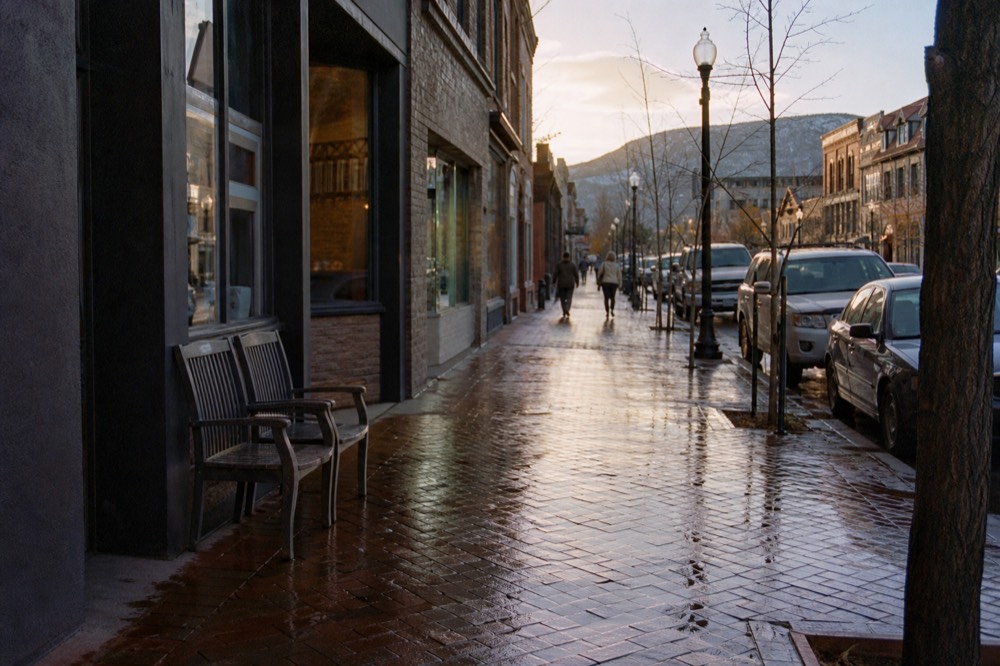
The trade-off is scale. Canandaigua has fewer wineries than Seneca, so its event calendar is thinner but easier to digest: a handful of stops, each likely participating when the trail runs a coordinated weekend. Keuka, around Hammondsport, is similar in feel. Seneca is the volume play, with dozens of tasting rooms and something happening most weekends from May through October, but it requires more driving between stops.
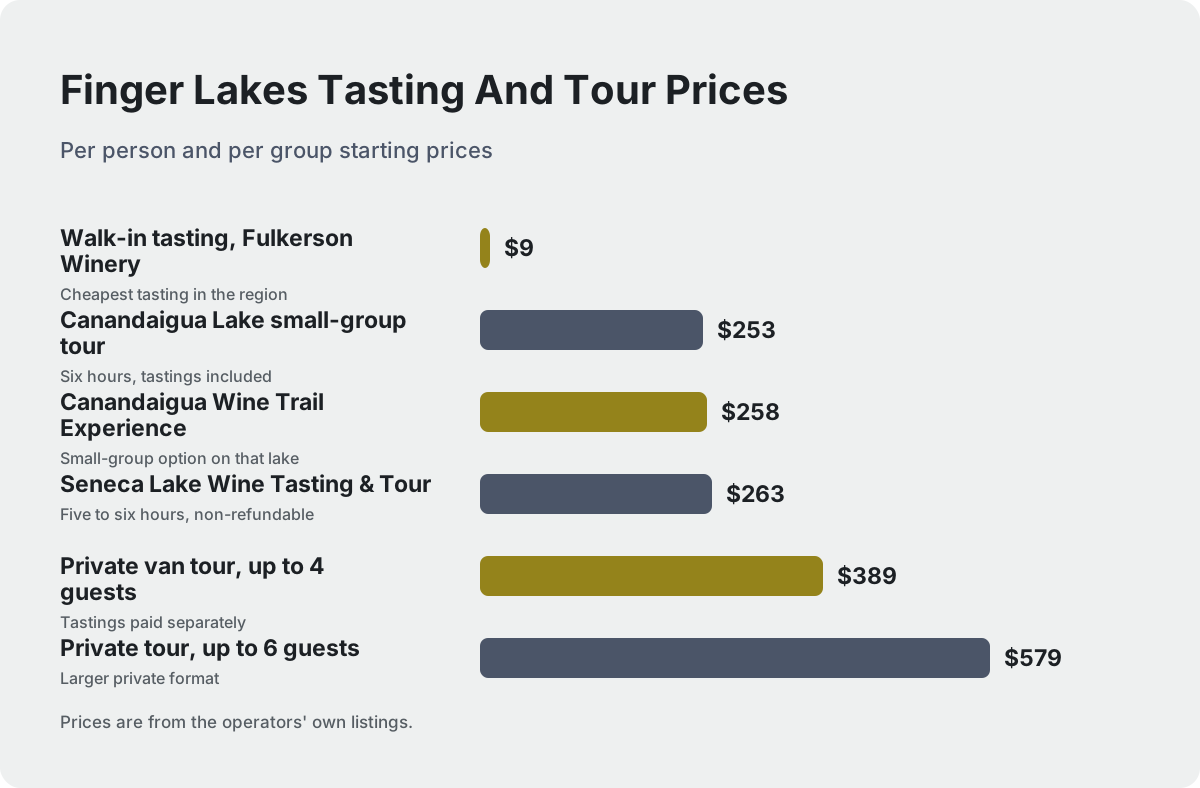
For a Canandaigua-based weekend, a guided option covers the ground efficiently. The Farmington: Canandaigua Lake Wine Tasting Tour runs from $253 per person, a six-hour small-group day capped at 12 travelers with tastings included and free cancellation. It is a new listing on its platform, so no review history is on file yet, but the format matches the operator's established Canandaigua tours.
A useful quirk of the region's geography for event planning: Keuka Lake has no AVA of its own, while Seneca Lake and Cayuga Lake each hold a federally recognized sub-AVA within the Finger Lakes AVA, established 1982 by the BATF and administered today by the TTB. The Seneca Lake AVA covers about 204,600 acres. None of that changes what is in your glass at a festival table, but it explains why Seneca's wine corridor carries the densest cluster of events: it is the region's most formally recognized and most heavily planted lake.
How Much Does A Wine Festival Trip Actually Cost?
A Finger Lakes wine weekend built around winery events typically costs far less than a ticketed mega-festival, because most individual winery events charge nothing beyond normal tasting fees, which vary winery by winery, so check the room; the real budget items are lodging, meals, and how you get between stops. Multi-winery passport programs, where a trail association sells a pass covering several tasting rooms, are the main paid event product, and their prices change year to year, so treat any figure you see as the current season's pricing rather than a standing rate.
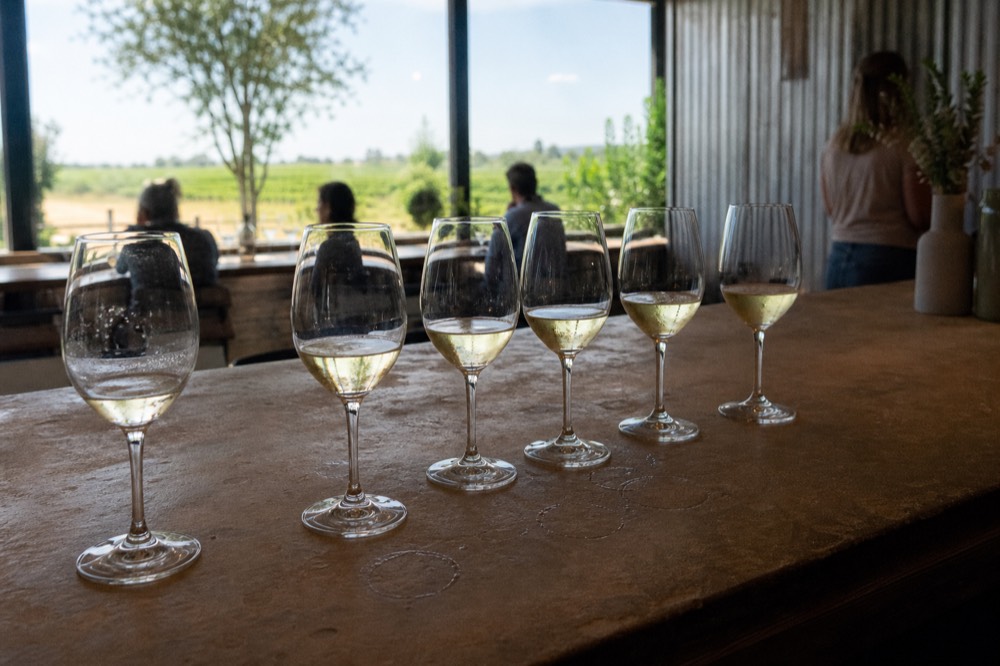
The fee picture at the room level matters more than most first-time visitors expect. Tasting fees vary from winery to winery, and many waive the fee with a bottle purchase, but policies differ house to house. Festival-style weekends sometimes replace the standard fee with a special-event pour list at a higher price. The details on fees, hours, and tipping etiquette are collected in wine tasting in the Finger Lakes: fees, hours, and etiquette, which is worth reading before any event weekend.
| Trip component | Typical planning range | Notes |
|---|---|---|
| Tasting fees per winery | Varies by winery, check the room | Often waived or credited with a bottle purchase |
| Trail passport / event pass | Set per season, check the trail association | Covers multiple rooms; dates and prices change yearly |
| Guided small-group tour | From $253 to $325 per person | Tastings included; some listings allow free cancellation |
| Private van tour | From $389 per group of up to 4 | Tastings paid separately at each winery |
| Lodging on a festival weekend | Book well ahead for fall | Harvest season fills lake towns early |
Guided tours sit in the middle of that budget and remove the biggest hidden cost of an event weekend: the designated-driver problem. A shared small-group tour with tastings included means nobody in your party is negotiating who skips the pours.
One more cost note that surprises people: the walk-in tasting. Fulkerson Winery in Dundee runs a standard walk-in tasting from $9 per person, the cheapest real tasting experience in the region, and single-winery stops like that are a sensible add-on when an event weekend has you near one lake but not another.
What Actually Happens At Harvest Events In The Fall?
Harvest season, roughly September through October, is when Finger Lakes wineries put on their biggest events: crush demonstrations, first-pour tastings of the new vintage, food vendors, and extended hours, and it is the one stretch where you can show up in autumn confident that many tasting rooms will be running something special even before any dates are posted. The pattern repeats every year because it follows the vine, not a marketing calendar. Grapes come off the vines on nature's schedule, and the wineries build their celebrations around that.
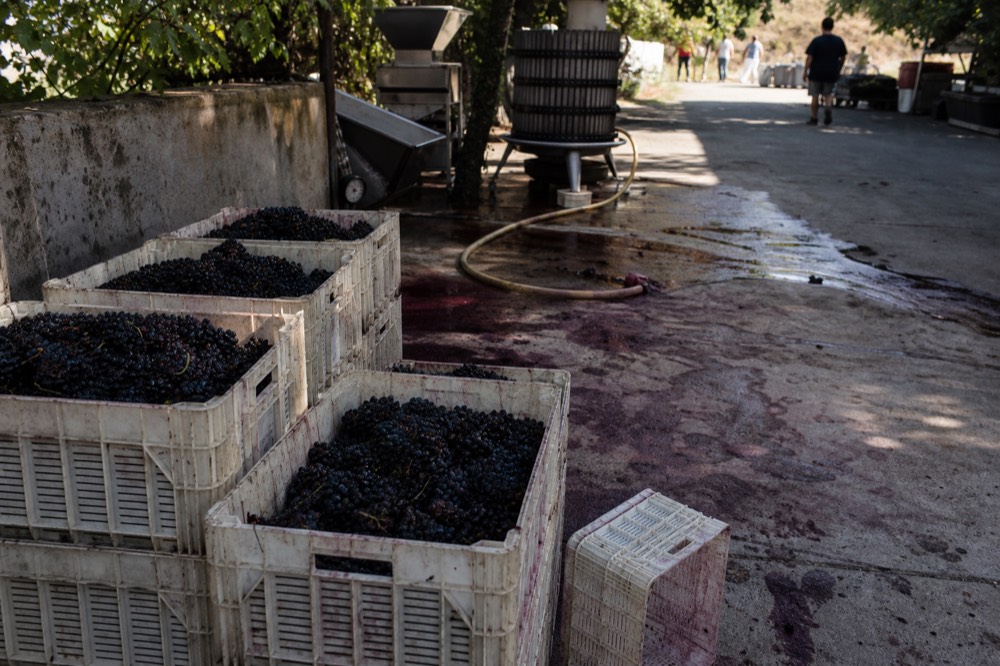
What varies is which weekend each winery picks, and that is genuinely not knowable far in advance. Some wineries time events to their own harvest completion, which depends on the weather of that specific year. The honest planning approach for a fall trip: book your lodging and transport for a September or October weekend now, then check the wineries along your route in the weeks before, when their calendars firm up. If an event falls through, the tasting rooms are still there, and fall is peak season for the standard experience anyway.
The fall crowds are real. Harvest weekends are the busiest tasting days of the year across the region, and lake-town lodging fills early. If your dates are flexible at all, the shoulder edges of September and late October trade some event density for noticeably more room at the tasting bar. The trade-offs across the whole year, including foliage timing and which months the smaller tasting rooms keep full hours, are laid out in the seasonal guide linked earlier.
There is also a wine-education angle to fall visits: it is the season when the region's signature grape is coming off the vine. Riesling is the variety the Finger Lakes is best known for, and harvest is when tasting rooms talk about it most, because acid-driven cool-climate whites are exactly what the deep lakes make possible. The story of why, grape by grape, is covered in the region's Riesling guide elsewhere on this site.
Can You Visit Wineries During Festival Weekends Without An Event Ticket?
Yes, in most cases: the majority of Finger Lakes winery events are free to enter and simply layer special pours or vendors on top of the normal tasting room operation, so a festival weekend usually means busier rooms and possibly a modified tasting menu rather than a gated event, though some coordinated trail weekends do sell passes and a few ticketed dinners sell out. The practical rule is to check each winery's event page for whether it says "ticketed" or just "join us."
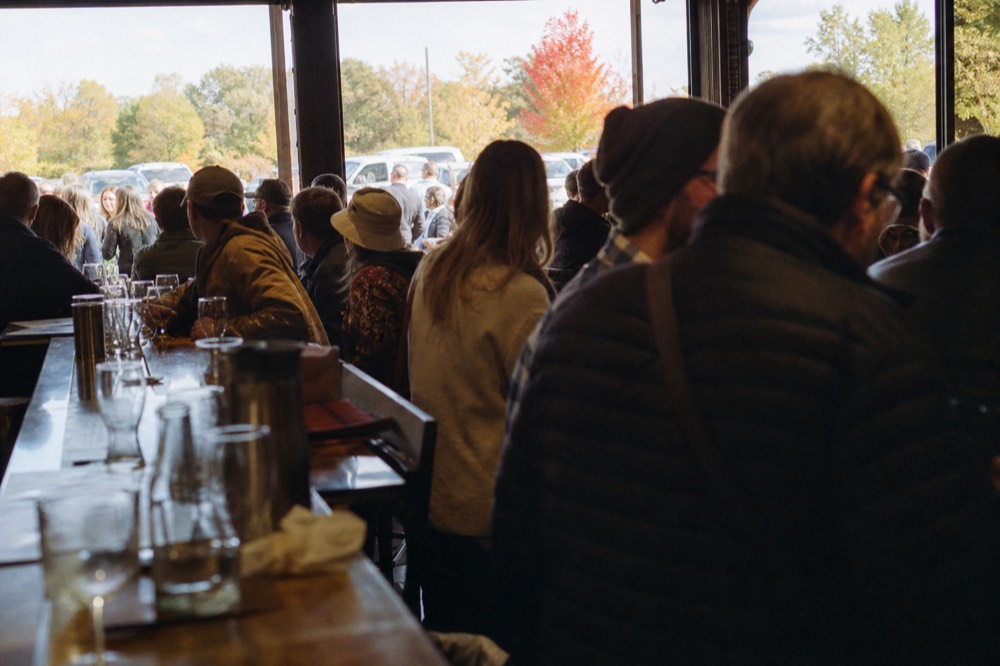
The catch is capacity. On a harvest weekend, walk-in tasting at the most popular rooms can mean a wait, and some wineries shift to reservation-only pouring during their busiest events. If you are counting on specific stops, a reservation or a guided tour solves the problem. The Canandaigua Wine Trail Experience, from $258 per person, is the established small-group option on that lake: 4.9 across 112 reviews, five to six hours, capped at 12 travelers, tastings included, though it is non-refundable.
Guided tours also dodge the festival-weekend parking crunch. The larger wineries can fill their lots on event Saturdays, and a van tour drops you at the door. The trade-off is fixed routing: a tour follows its own itinerary, so if a specific winery's festival is the whole point of your trip, a private customizable van, where you pick the stops, is the better fit even though tastings are extra on that format.
Age rules do not change on event weekends. You must be 21 to taste in New York, with no parental-consent exception for purchase or service at a licensed winery, and tasting rooms check ID at the bar, not at the booking stage. Accepted ID includes a driver's license from any US state or Canada, a NY non-driver ID, US military ID, or a passport.
What If There Is No Festival On During Your Visit?
If nothing is scheduled for your dates, you lose very little: the standard Finger Lakes tasting experience is available every week of the year, and guided tours from $253 per person deliver the same winery hopping, tasting flights, and lake views without any dependence on an events calendar, which is why many repeat visitors stop chasing festivals entirely. The events are a bonus layer, not the product. The product is the wine, the views, and the drive between them.
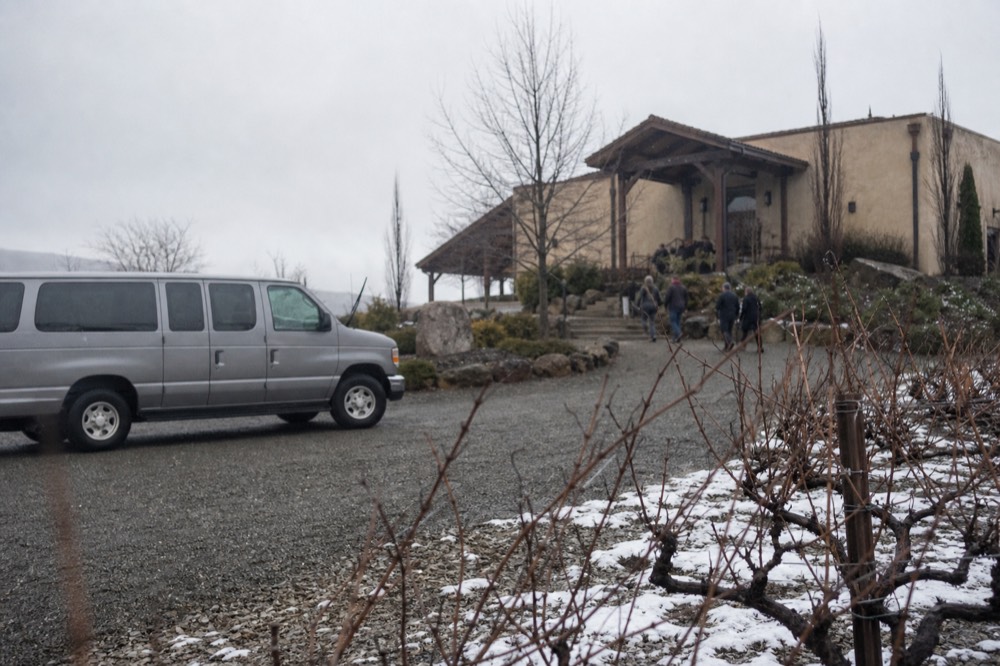
The default recommendation is the Seneca Lake Wine Tasting & Tour from Crush Beer and Wine Tours, from $263 per person, 4.7 across 220 reviews, the most-reviewed listing in the region. It runs five to six hours, caps the group at 12, includes tastings, and departs from the 41 Lakefront Hotel in Geneva. It is non-refundable, so check the cancellation terms before booking. A twin listing of the identical tour on another platform runs from $259 per person and does allow free cancellation, a genuinely useful distinction if your dates might shift.
For groups, the private route is worth knowing about. FLX Chauffeur runs customizable private van tours from $389 per group of up to 4, where you pick the wineries and pay tasting fees at the door, and a larger private format for up to 6 guests runs from $579 per group. Private formats shine on event weekends specifically, because you control the routing around whatever each winery has scheduled.
The one thing not to do is treat a single-winery walk-in as a substitute for a tour. The Fulkerson walk-in tasting at from $9 per person is a great companion stop, but it covers one room in Dundee, not a day of lake hopping. The guided tours and the walk-in are different products solving different problems.
How Do You Plan A Festival Weekend Without Overcommitting?
Plan a festival weekend the way locals do: book lodging and transport first, build a route around one lake rather than the whole region, cap the trip at three or four winery stops per day, and leave the event schedule flexible until the wineries post it, because the most common mistake is a five-stop itinerary that turns into a windshield tour. Distances between lakes look short on a map and feel long on event Saturdays, when tasting rooms are full and every stop takes longer than planned.
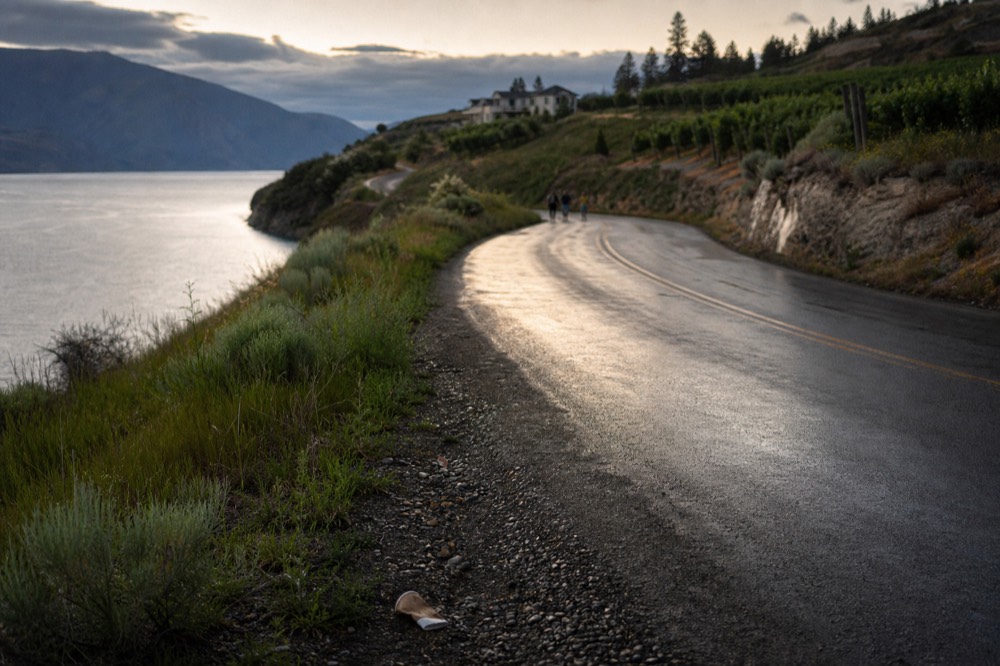
A workable framework for a first festival-season trip:
| Planning step | What to do | Why it matters |
|---|---|---|
| Pick one lake | Seneca for volume, Keuka or Canandaigua for compactness | Cross-lake itineraries eat the day in driving |
| Book early | Lodging and tours before winery dates are posted | Fall weekends fill lake towns first |
| Cap the stops | Three or four tasting rooms per day | Tastings add up; pace beats quantity |
| Confirm near the date | Check winery calendars one to two weeks out | Event dates firm up late in the season |
| Have a fallback | A guided tour booked with free cancellation | Converts a washed-out event plan into a normal wine day |
The fallback row is the one experienced visitors lean on hardest. A tour booked under free cancellation is effectively a reversible plan: if a winery posts a must-see event for your dates, you cancel the tour and go solo; if the calendar comes up empty, the tour is already secured. The lunch-included formats, from $321 to $325 per person on Canandaigua and Seneca, stretch to seven hours and fold the midday meal into the day, which matters on event Saturdays when restaurant tables near the lakes are scarce.
If your weekend is more about the region than the wine specifically, the events calendar pairs well with the broader stop list in the region's guide to non-winery activities, and the town of Watkins Glen works as a base that splits the difference between Seneca's winery corridor and the state park, as covered in Watkins Glen as a base for a wine tour.
However you build the weekend, Finger Lakes Wine Tours exists to make the wine-transport layer the easy part: the guided and private options above run year-round, event weekend or not, and they are the piece of the plan you can lock in before any winery has posted a single date.
If a festival-independent weekend sounds like the better bet, these are the three tours most travelers compare first:
The questions below cover the practical details travelers ask most: exact festival timing, whether events cost anything, the best month to visit, whether a car is needed, winter access, and the legal drinking age, all answered with the same honest sourcing as the guide above. Each answer reflects the recurring patterns described in this article rather than any single posted festival date, since no specific date has been verified for any current or future year.
Common Questions About Finger Lakes Wine Festivals
When Is The Big Finger Lakes Wine Festival?
There is no single big festival with a fixed annual date. The region runs many smaller winery events instead, with harvest celebrations each fall being the most dependable pattern. Check the individual winery or trail association calendars for current dates.
Are Finger Lakes Winery Events Free To Attend?
Most are free to enter and layer special pours on top of normal tasting room operations, so you pay the standard tasting fee, which varies winery by winery, so check the room. Some coordinated trail weekends sell passes, and ticketed dinners sell out.
What Is The Best Month For Finger Lakes Wine Events?
September and October. Harvest events are common each fall across the region's wineries, making autumn the most reliable season for finding something special happening at the tasting rooms, though exact dates shift year to year.
Do I Need A Car For A Finger Lakes Wine Festival Weekend?
Not necessarily. Guided small-group tours from $253 per person include transportation and tastings, and private van formats from $389 per group of up to 4 let you pick the stops. Driving yourself works too, but someone in the party has to skip the pours.
Can You Visit Wineries In The Finger Lakes In Winter?
Yes. Tasting rooms stay open through winter, and holiday open houses are the season's event pattern, often featuring ice wine made from Vidal Blanc grapes pressed while frozen. Hours are shorter than summer, so check each winery before you go.
Is There A Minimum Age For Wine Festival Events?
You must be 21 to taste in New York, with no parental-consent exception for service at a licensed winery. Bring an accepted ID: a driver's license from any US state or Canada, a NY non-driver ID, US military ID, or a passport.