Can You Walk The Seneca Lake Wine Trail?
No, the Seneca Lake Wine Trail is not realistically walkable: wineries sit miles apart along a long lake loop. Here is what the distances actually look like and how people cover them instead.
Can You Walk The Seneca Lake Wine Trail?
Can You Walk The Seneca Lake Wine Trail?
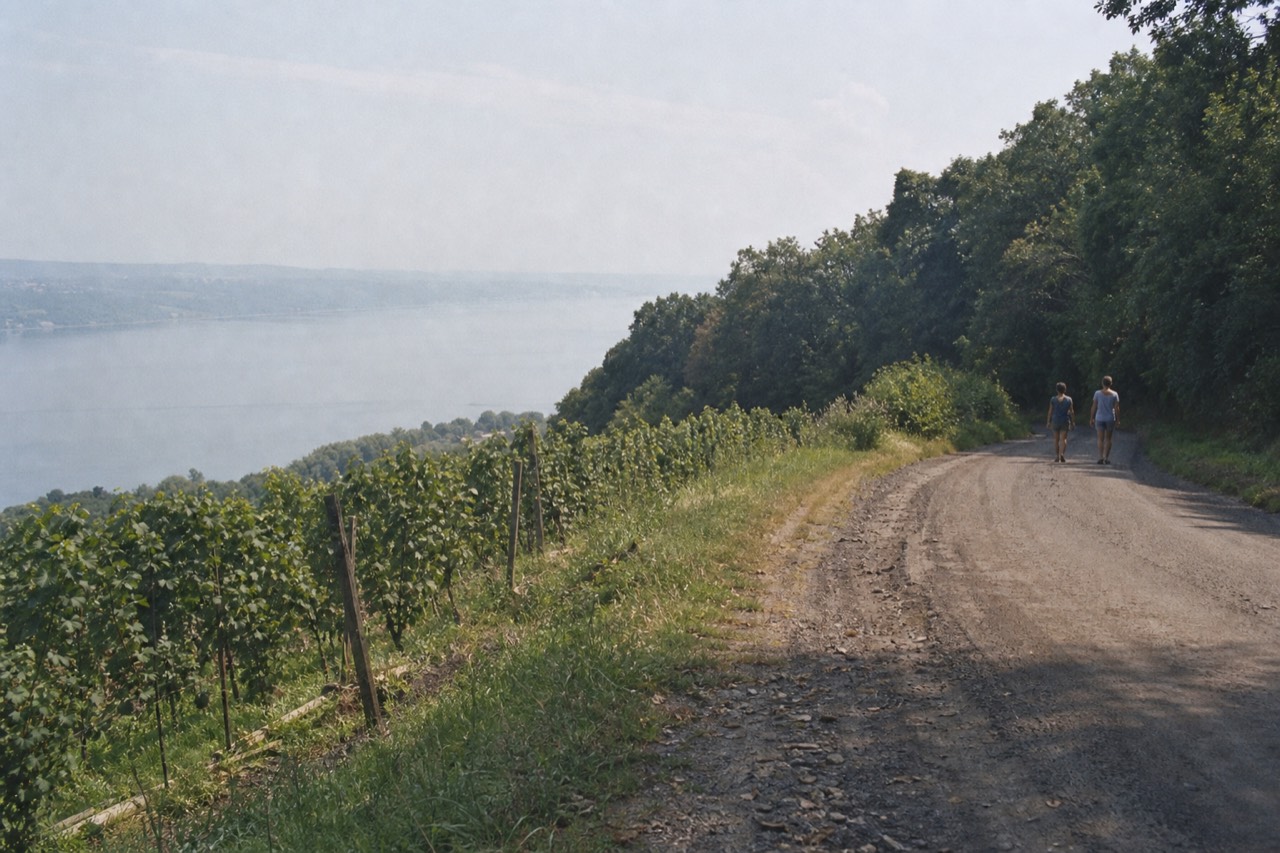
No, and the reason is simple geography. The Seneca Lake wineries sit on slopes above a long, narrow glacial lake, connected by a driving loop that circles the entire shoreline and takes a full day to cover by car. Individual tasting rooms are typically two to six miles apart, sometimes more, and there is no continuous footpath connecting them. Walking the trail as a single itinerary would take days and put you on road shoulders built for cars, not pedestrians.
That is the honest answer, and it is worth stating plainly because a fair amount of travel content implies otherwise. The name "Seneca Lake Wine Trail" sounds like a footpath, something you might stroll between tasting rooms the way you would hop between pubs. It is not. The trail is a marketing association of wineries around the lake, and the physical reality of visiting them is a road trip in a car, van, or bus. The lake itself stretches for dozens of miles north to south, and the wineries fan out along both the east and west shores, so even a single side of the lake is a serious drive.
The terrain explains the layout. Vineyards cluster on the slopes immediately around the lake because the deep water moderates the microclimate, holding summer warmth into fall and buffering winter cold along the shore. That same slope-and-shore geography means wineries sit on rural routes like Route 14 on the west side and the east-shore highway along Route 414's corridor, roads with high-speed stretches, soft shoulders, and rolling hills. None of that is walkable in any pleasant or safe sense, and in winter or harvest season the traffic makes it worse.
So the trail exists, the wineries exist, and the walking does not. What people actually do is drive themselves, join a guided van tour, hire a private driver, or use one of the region's shuttle services. The choice among those comes down to budget, group size, and how much you want to taste without keeping a sober driver in rotation.
How Far Apart Are The Wineries, Really?
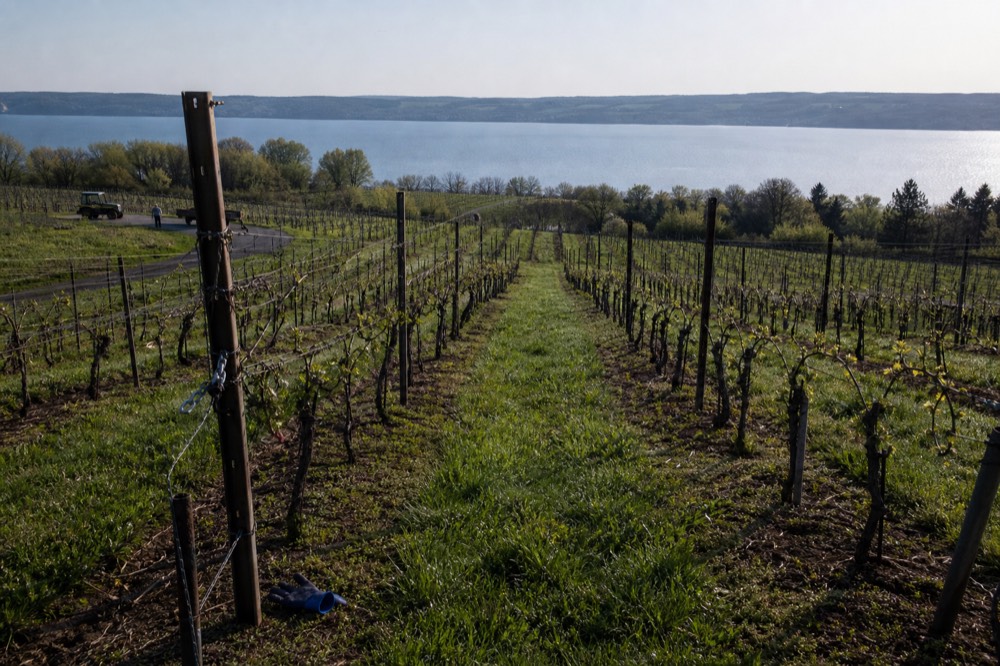
Distances between neighboring Seneca Lake tasting rooms usually run two to six miles, and a full loop around the lake is a full day of driving. Even a focused half-day plan, three or four wineries on one shore, means 15 to 25 miles of road time between the first pour and the last. No section of the trail functions as a walkable cluster the way a town's Main Street might.
The trail's member wineries are spread from around Geneva at the north end down to the Watkins Glen area at the south. A tasting room near the northern tip and one near the southern end can sit many miles apart, a drive of the better part of an hour. On the west side, the Route 14 corridor strings wineries through towns like Dundee, home of Fulkerson Winery, which dates its operation on that site back generations. On the east side, the shore highway does the same toward the village of Hector. These are country roads through farmland, and the spacing reflects where the good vineyard slopes are, not any plan for foot traffic.
Here is what the practical distances look like for a visitor:
| Plan | Approximate driving involved | Walkable? |
|---|---|---|
| Two neighboring wineries on the same shore | 2 to 6 miles between stops | No, road shoulder only |
| Four wineries on one shore, half day | 15 to 25 miles total | No |
| Full loop around the lake | A full day of driving | No |
| Winery plus a town stop (e.g. Dundee or Hector) | 5 to 15 miles | No, but towns themselves are walkable |
The towns are the one honest exception. Watkins Glen, Geneva, and Hammondsport over on Keuka are compact and pleasant to walk, and the walking in any sensible itinerary happens in town, not between wineries. The mistake to avoid is planning a "walkable afternoon" that quietly assumes you can cover two or three tasting rooms on foot. You cannot, and the roads are not built for trying.
Can You Bike The Trail Instead Of Walking It?
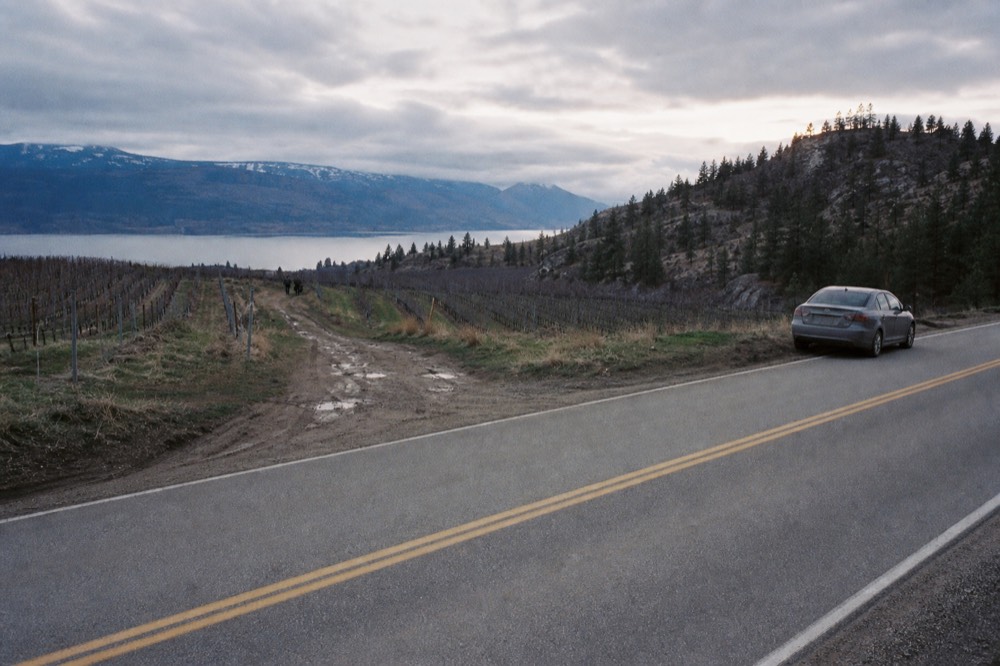
Some people do cycle the Seneca loop, and it is physically possible in a day for a strong rider, but it is a long road ride on rural highways with traffic, not a casual tasting tour. Combining serious cycling with wine tasting also raises an obvious safety problem: alcohol and shared roads do not mix well. For most visitors a bike solves nothing that a car does not already solve.
The loop has real appeal for cyclists in the way any big lake loop does, and on a September morning you will see road bikers out on Route 14. But a wine-tour version of that ride is a different proposition. Tastings add alcohol to a ride that involves long stretches of high-speed road with narrow shoulders, and the hills between wineries are steep enough that the "gently rolling" description in some cycling writeups undersells them. If you want to ride, ride. If you want to taste, do not plan to do both on the same bike.
There is a middle path some visitors take: stay in one town, rent bikes locally, and ride to one or at most two nearby wineries, keeping the pours light and the return route short. That works in a limited way around Watkins Glen and along parts of the west shore. It does not scale to anything resembling "walking the trail," because the trail's whole footprint is the lake, and the lake is big.
What Do People Do Instead Of Walking Between Wineries?
The realistic options are four: drive yourself with a designated driver, join a shared small-group van tour, book a private driver or customizable private tour, or use a shuttle or bus service. Guided shared tours run from around $253 to $265 per person with tastings included, while private van options run from around $389 per group of up to 4. Each fits a different group size and budget.
Self-driving is the most common choice and the one most visitors default to. It gives you total flexibility on which wineries and how many, and it is the cheapest option per person if you already have a car. The catch is the oldest one in wine country: someone in your group tastes less so they can drive, and the loop's length means that person spends hours behind the wheel on curvy roads. Designated-driver discipline has to be real, not aspirational, because the distances are long enough that fatigue matters by the fourth stop.
The shared small-group van tour solves the driver problem at a mid price. The region's dominant operator, Crush Beer and Wine Tours, runs Seneca itineraries capped at 12 travelers with tastings included in the ticket, which is the detail that separates these tours from private hires: the price you pay is the price of the day. The Seneca Lake Wine Tasting & Tour runs from $263 per person, about 5 to 6 hours, departing from the 41 Lakefront Hotel in Geneva, and it carries a 4.7 rating across 220 reviews, the most-reviewed listing in the region. A twin listing on another platform runs from $259 per person with free cancellation, worth knowing if your plans might shift. There is also a lunch-included version from $325 per person, and a south-end itinerary from $265 per person rated 4.8 across 69 reviews.
Private options trade price for control. FLX Chauffeur's customizable Seneca tour runs from $389 per group of up to 4, tastings paid separately at the door, with the guest choosing the wineries and up to four stops of about an hour each. For bigger parties, a private Finger Lakes tour for groups up to 6 runs from $579 per group, the largest private group size commonly available here. If you are comparing these against the shared tours line by line, our guide to Finger Lakes wine tour packages and what they cost breaks the whole price ladder down.
Is Any Part Of The Seneca Lake Experience Walkable?
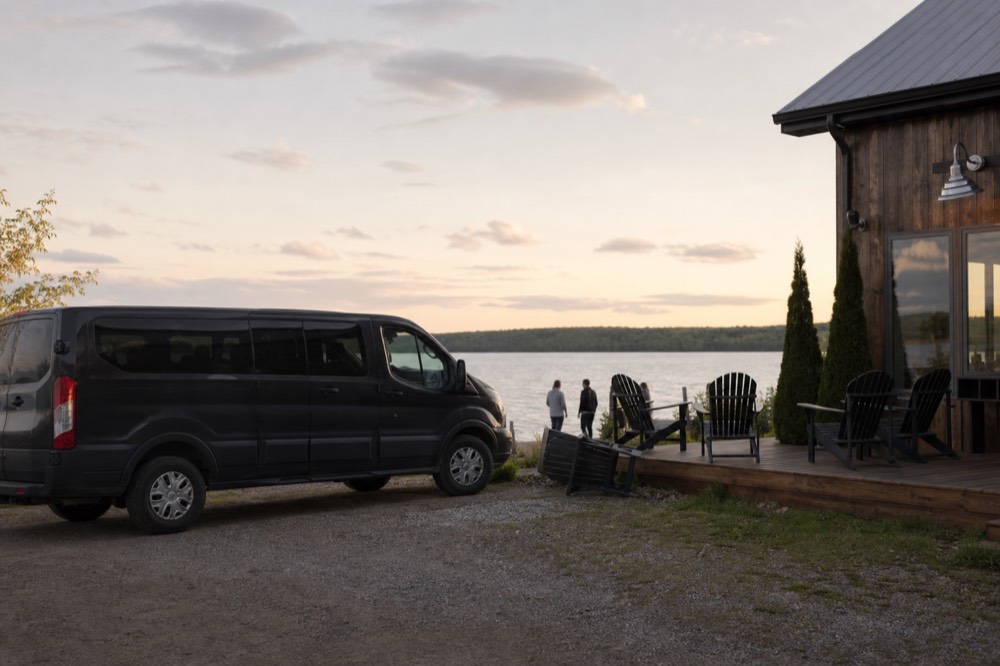
Yes, but the walkable parts are the towns and single-winery visits, not the trail between them. Watkins Glen, Geneva, and the lakeside village strips are pleasant on foot, and some wineries are close enough to a town base that one tasting room can be a walkable outing. What you cannot walk is the sequence of wineries itself, and no itinerary should be built on that assumption.
The workable pattern is to anchor a day in one town. Stay in Watkins Glen, for example, and you can walk the village, the state park entrance area, and dinner without a car, then take a guided tour or drive out for wineries during the day. Our piece on Watkins Glen as a base for a wine tour covers exactly this tradeoff, because the town's position at the lake's southern tip puts it within striking distance of both shores' wineries while keeping evenings car-free.
Single-winery walk-in visits are the other honest exception. Fulkerson Winery in Dundee, for instance, sells a standard tasting from $9 per person, a walk-in, self-guided 25-minute tasting rather than a guided tour. If you are staying near a winery, or passing through on a route that passes one, a single stop on foot is entirely doable. What it is not is a substitute for touring, and comparing a $9 walk-in tasting to a $250-plus guided day misses the point of each. One is a tasting; the other is transportation, guiding, and tastings bundled.
Should You Still Plan A "Trail" Day At All?
Yes, plan the trail day, just plan it as a driving or guided day. The Seneca Lake Wine Trail is one of the most rewarding wine-country itineraries in the eastern United States, anchored by a region known for world-class Riesling, and the fact that it requires wheels does not diminish it. The visitors who enjoy it most are the ones who accept the geography up front and book transport accordingly.
The practical framing that works: pick a shore, pick three or four wineries, and arrange one of the four transport options earlier in this article. East or west is a real choice with real consequences for your day, and our comparison of which side of Seneca Lake is better for wineries goes into it properly. Then decide whether your group wants the fixed-itinerary simplicity of a shared van, the choose-your-own-stops freedom of a private driver, or the DIY discipline of self-driving with a designated driver.
One last planning note: the region's tasting rooms keep shorter hours than most visitors expect, and winter schedules are leaner still, so a trail day is best booked with an early start. Whatever shape the day takes, the lake rewards the effort. The same depth that scatters the wineries along the shoreline is what makes the wine worth the drive, and Finger Lakes Wine Tours exists precisely because the region is best seen from a vehicle with someone else at the wheel. Walk the towns, drive the trail, and taste accordingly.
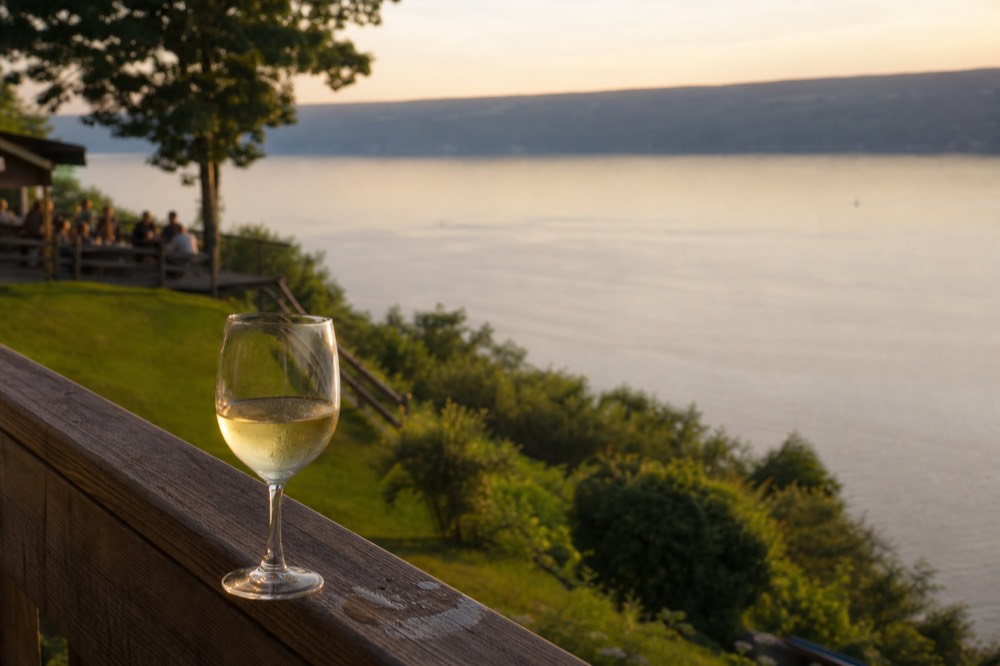
The short answers below cover the questions visitors ask most about walking, biking, and otherwise covering the Seneca Lake Wine Trail. The core answer never changes: the trail is a driving loop, not a footpath, and every workable plan starts with wheels of some kind, whether your own car, a shared van, a private driver, or a shuttle.
Common Questions About Walking The Seneca Lake Wine Trail
Can You Walk The Seneca Lake Wine Trail?
No. The wineries sit along a long driving loop around the lake, with neighboring tasting rooms typically two to six miles apart on rural roads with no footpaths. Walking between stops is not a realistic or safe plan; visitors cover the trail by car, guided van, private driver, or shuttle instead.
How Many Wineries Are On Seneca Lake?
The Seneca Lake trail's own tally is separate from the region-wide count: more than 100 wineries per Finger Lakes Wine Country, with about 140 per the New York Wine & Grape Foundation. The Seneca Lake trail itself has member wineries spread along both shores, far too many to reach on foot in a day.
Can You Bike Between Seneca Lake Wineries?
Physically, a strong rider can complete the lake loop, but it is a long ride on rural highways with traffic and steep sections, and mixing wine tastings with road cycling is unsafe. A realistic compromise is staying in one town and riding to at most one or two nearby wineries with light pours.
What Is The Cheapest Way To Do The Seneca Lake Wine Trail?
Self-driving with a designated driver is cheapest if you already have a car. Among bookable options, shared small-group tours run from around $253 to $265 per person with tastings included, and a single-winery walk-in tasting at Fulkerson Winery runs from $9 per person if you only want one stop.
Is Watkins Glen Walkable?
Yes, Watkins Glen itself is a compact, walkable village, and it makes a good car-free base for evenings. The walkability ends at the town limits; the wineries around the lake are not reachable on foot from it.
Do You Need A Car In The Finger Lakes?
Not necessarily, but you need wheels of some kind. A guided shared van tour, a private driver, or a shuttle service all replace a rental car for winery days, and a town base like Watkins Glen or Geneva covers the walkable evenings. What does not work is arriving with no transport plan at all.