What Wine Are The Finger Lakes Known For?
Riesling is the headline, but the Finger Lakes also grow serious Cabernet Franc, Chardonnay, Gewurztraminer and ice wine. Here is what to expect in the glass and how to taste it.
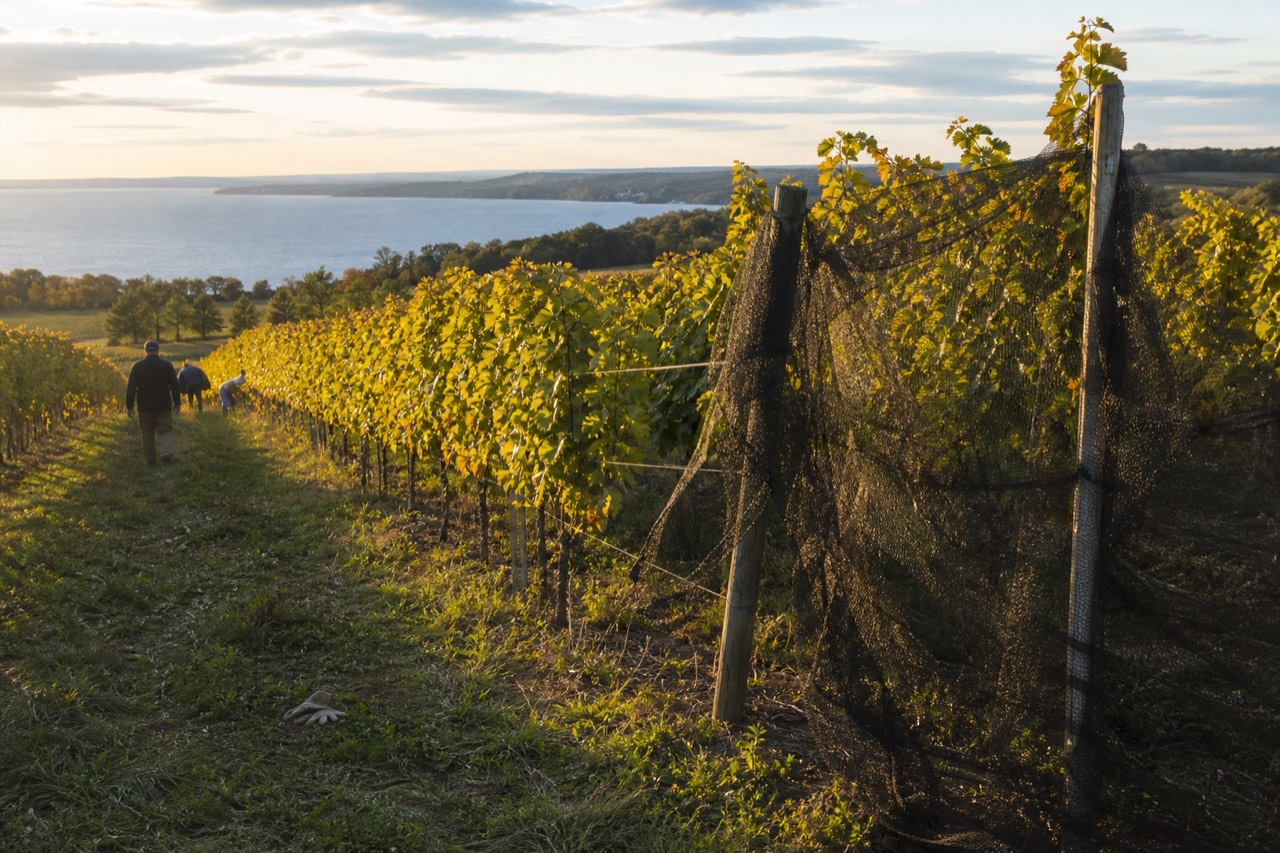
Riesling is the answer most people expect when they ask what the Finger Lakes are known for, and the expectation is correct. The Finger Lakes Wine Alliance describes Riesling as the variety the region is "perhaps best known for," producing "world-class Rieslings," and the area is widely described as the premier cool-climate Riesling region in the eastern United States. But the full answer runs wider than one white grape. The same climate that makes Riesling shine also supports Cabernet Franc as the most-planted red vinifera, commercially significant Chardonnay, aromatic Gewurztraminer, and a hybrid called Vidal Blanc that becomes the region's ice wine when it is picked frozen off the vine in a hard freeze.
What ties all of it together is geography. Seneca Lake runs roughly 618 to 634 feet deep, rarely freezes over, and holds a deep-water temperature near 39°F year-round. That thermal mass retains summer heat into autumn, delaying the first killing frost so grapes can ripen while keeping their acidity, and it buffers winter cold along the shoreline slopes. It is why the vineyards cluster on the hillsides immediately around the lakes rather than spreading evenly across the region, and why a cool-climate, acid-driven white like Riesling does so well here specifically.
What Wine Are The Finger Lakes Known For?
The Finger Lakes are known above all for Riesling, which the Finger Lakes Wine Alliance calls the region's signature grape and its best-known pour, with styles running from bone-dry through off-dry, late-harvest and ice wine. Beyond Riesling, the region reliably produces Cabernet Franc as its most-planted red, plus Chardonnay, Gewurztraminer, Pinot Noir, Lemberger and hybrid-based wines such as Vidal Blanc ice wine and Cayuga White.
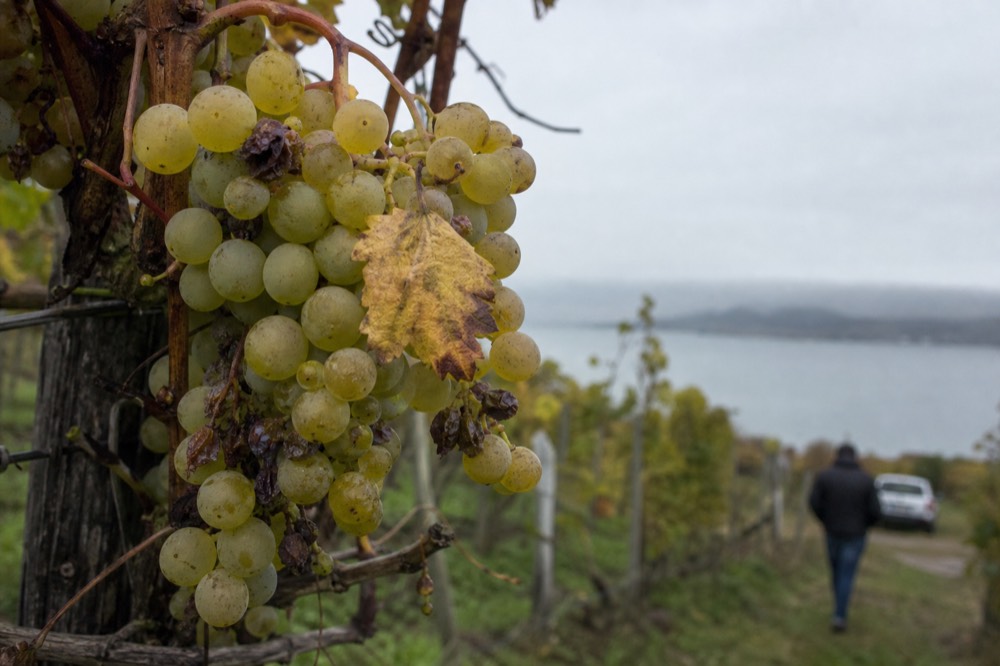
The region-wide reputation rests on a fairly short list of grapes that can ripen reliably in a cool climate. Riesling sits at the top of that list because it keeps its acidity even in marginal seasons, which is exactly the trait a glacial-lake climate rewards. Dry Riesling is the style that made critics pay attention, but the range is wide: many producers make an off-dry version, a late-harvest bottling and, in the best years, a Riesling ice wine.
The red side of the region is smaller but real. Cabernet Franc is the most-planted red vinifera in the Finger Lakes, valued for its cold hardiness as much as its flavor. Lemberger, which you may also see labeled Blaufrankisch, ripens mid-to-late season and gives dark fruit, spice and bright acid. Pinot Noir appears in the cooler sites, and it is a grape that rewards producers working the best slopes. If a tasting room pours a red you like here, odds are it is one of those three.
Here is the working summary of what is actually in the ground and in the glass, region-wide:
| Grape | Type | What the region does with it |
|---|---|---|
| Riesling | White vinifera | The signature pour; dry, off-dry, late-harvest and ice wine styles |
| Chardonnay | White vinifera | Widely planted, commercially significant still and sparkling wines |
| Gewurztraminer | White vinifera | Aromatic white, notable behind Chardonnay in most plantings rankings |
| Pinot Gris | White vinifera | Appears commercially in smaller volume |
| Cabernet Franc | Red vinifera | Most-planted red vinifera, cold-hardy |
| Pinot Noir | Red vinifera | Cool-climate red from the best sites |
| Lemberger (Blaufrankisch) | Red vinifera | Dark fruit, spice, bright acid; mid-to-late ripening |
| Vidal Blanc | Hybrid | The main local ice wine grape; also dry and off-dry table wines |
| Seyval Blanc | Hybrid | Early-to-mid ripening; blends and varietal wines |
| Traminette | Hybrid | Gewurztraminer-like aromatics with sturdier acidity |
| Cayuga White | Hybrid | Cornell-bred in Geneva; crisp, off-dry and sparkling styles |
One point worth knowing before you plan a trip: no source splits varietal plantings by individual lake, so treat this list as region-wide. Any claim that one lake "specializes" in a specific grape is marketing, not data.
If tasting these wines in place is the goal, a guided tour is the easiest way to cover ground, and the shared small-group format suits first-time visitors:
Why Does Riesling Do So Well In The Finger Lakes?
Riesling thrives here because the deep glacial lakes act as a heat reservoir: they hold summer warmth into autumn, delay the first killing frost, and buffer winter cold on the shoreline slopes, letting a slow-ripening, acid-driven grape fully mature while keeping the crispness that defines the style. Seneca Lake rarely freezes and holds near 39°F year-round, which is why vineyards cluster on the slopes directly around the water.
The mechanism matters more than most casual visitors realize. In a continental climate like upstate New York's, the difference between a good vintage and a lost one is often a matter of days of hang time. A lake that stores heat all summer and releases it slowly through fall pushes the first killing frost back just far enough for Riesling to develop flavor while retaining acidity. In winter, the same water moderates the cold air settling on the slopes, which is why the vines survive at all this far north for delicate vinifera.
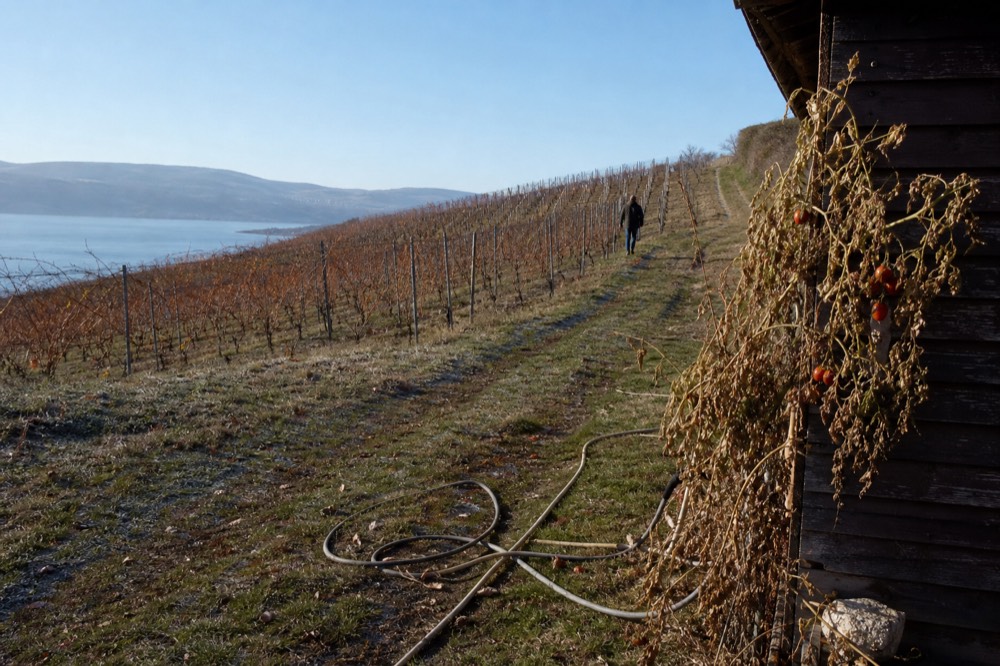
The federal appellation map reflects this. The Finger Lakes AVA was established in 1982 by the BATF and is administered today by the TTB, and it contains exactly two sub-AVAs: Cayuga Lake (1988) and Seneca Lake (2003, about 204,600 acres). Keuka Lake, despite its winemaking history, has no AVA of its own, a genuinely useful fact for anyone comparing the lakes. The sub-AVA boundaries hug the shorelines because that is where the microclimate works.
Planning a Riesling-focused day raises a practical question: do you drive yourself or book a tour? A shared tour handles the driving and, with the region's main operator, includes the tasting fees in one price. The Seneca Lake Wine Tasting & Tour by Crush Beer and Wine Tours runs 5 to 6 hours, is capped at 12 travelers, departs from the 41 Lakefront Hotel in Geneva, and costs from $263 per person with tastings included. It carries a 4.7 rating across 220 reviews, the most-reviewed listing on this site. One note: that listing is non-refundable, so if your plans might shift, check the cancellation terms on the operator's live listing before booking.
Which Red Wines Should You Actually Expect From The Finger Lakes?
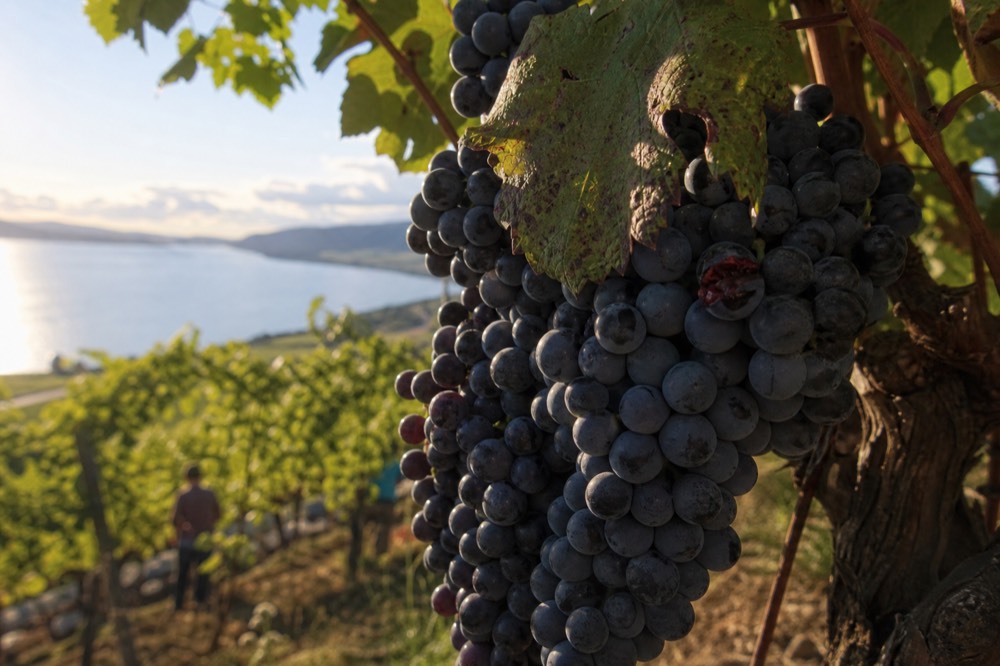
Cabernet Franc is the red to know: it is the most-planted red vinifera in the region, cold-hardy enough for the climate, and it shows in most tasting rooms as the flagship red. Alongside it, Lemberger (also labeled Blaufrankisch) delivers dark fruit and spice with bright acid, and Pinot Noir appears from the coolest, best-sited vineyards. Red wine here is real but secondary to the whites.
Do not arrive expecting Napa-style weight. Cool-climate reds lean toward brighter fruit, firmer acidity and lower alcohol, and that is a feature, not a flaw, when the wines are paired with food. Cabernet Franc in the Finger Lakes tends toward a leaner, leafy, peppery profile than its Loire or Bordeaux expressions. Lemberger is the sleeper: it ripens dependably, handles the winters and often over-delivers for its price on restaurant lists in the region.
For anyone weighing which lake to base on, the comparison of Seneca versus Keuka versus Cayuga matters more for red hunting than for whites, since the warmer shoreline sites that ripen reds best are concentrated on the biggest lakes.
What Is Ice Wine, And Is The Finger Lakes Version Real?
Yes, real ice wine is produced in the Finger Lakes, made the traditional way: grapes, most often Vidal Blanc, are left on the vine into a hard freeze and then harvested and pressed while still frozen, concentrating sugar and acid into a sweet dessert wine. Named regional producers include Wagner Vineyards and Casa Larga, both of which make a Vidal Blanc ice wine, and Riesling ice wine also exists in the best years.
Ice wine is the clearest case where the region's cold, usually framed as a limitation, becomes the point. The freeze concentrates everything inside the grape, and the pressing happens while the fruit is still hard, so only the concentrated juice comes out. It is labor-intensive, yield is tiny, and the bottles cost accordingly. Vidal Blanc, a thick-skinned, high-acid hybrid, is the grape most commonly used for it locally precisely because it can hang on the vine into deep winter without falling apart.
The hybrid story does not stop at dessert wine. Cayuga White, a hybrid bred at Cornell University's New York State Agricultural Experiment Station in Geneva and released commercially in the 1970s, shows up in crisp, off-dry and sparkling styles across the region. Traminette was bred for Gewurztraminer-like aromatics with sturdier acidity, and Seyval Blanc fills out blends and varietal bottlings. Hybrids were once dismissed as a compromise, but in a climate this cold they are simply good viticulture, and several of them have become part of the region's identity.
How Should You Plan A Trip Around Tasting These Wines?
Plan around one lake per day, expect tasting fees rather than free pours, and let someone else drive if you intend to taste seriously: the wineries are spread out along shoreline roads, and the region's guided tours exist mostly to solve that problem. Tastings are the way to try the full range, dry Riesling through ice wine, in a single afternoon.
The practical basics are simple. You must be 21 to taste in New York, with accepted ID including a NY driver's license, any other US state or Canadian license, a NY non-driver ID, a US military ID, or a passport or visa. Winery hours skew early; many tasting rooms close well before dinner, which catches first-time visitors off guard. Our guide to tasting fees, hours and etiquette covers the details, and the question of why Finger Lakes wineries close so early has its own answer.
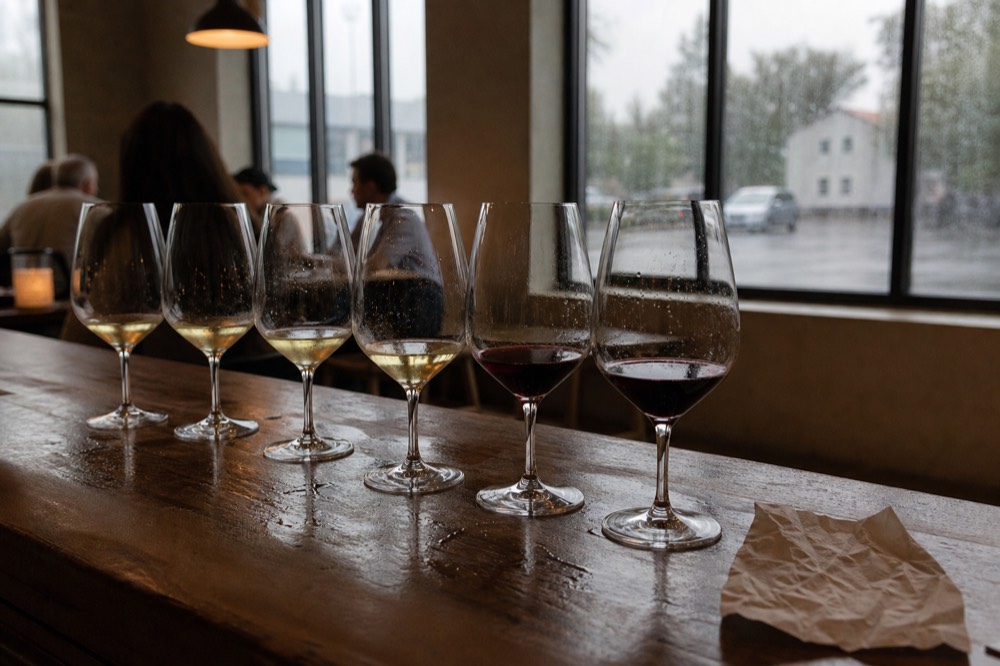
For groups, the format choice comes down to shared versus private. Shared small-group tours with the region's main operator include tasting fees in the ticket price. Private options, mostly run by FLX Chauffeur, charge for the vehicle and guiding while tastings are paid separately at the door, and the guest picks the wineries. Cayuga Lake's tour inventory is genuinely thin, so be honest with yourself about that if the Cayuga trail is the draw.
For a group of six who want to build their own route around Cayuga Lake, the All-day Guided Winery Transport for Six by Finger Lakes Winery Tours covers 7 hours of transport and guiding for up to 6 guests, from around $420 per group with the current figure on the live listing, and tastings paid separately at the door.
At the other end of the scale, the Private Full-Day Cultural Wine Tour in Historic Ithaca is the premium full-day option at from $2,323 per group, the most expensive listing on this site, with lunch and tastings included over 7 hours and free cancellation. It is a new listing with no reviews yet, so judge it on its itinerary rather than a star rating.
For most first-time visitors, though, the shared Seneca tour remains the default recommendation, and it pairs naturally with a day on the lake with the most wineries. If you want help sorting the full field of options, Finger Lakes Wine Tours breaks the region's guided experiences down lake by lake:
The short answers: Riesling is the signature wine of the Finger Lakes, produced dry through ice wine styles; Cabernet Franc leads the reds; real ice wine is made here from Vidal Blanc grapes pressed while frozen; and the deep glacial lakes are the reason cool-climate grapes ripen at all in upstate New York. The details behind each answer follow.
Common Questions About Finger Lakes Wine
What Wine Are The Finger Lakes Known For?
Riesling, first and foremost. The Finger Lakes Wine Alliance calls it the region's best-known variety, producing "world-class Rieslings" in styles from dry through late-harvest and ice wine. Beyond that, expect Cabernet Franc as the leading red, Chardonnay and Gewurztraminer among the whites, Lemberger and Pinot Noir in the best red sites, and hybrid-based wines including Vidal Blanc ice wine and Cornell-bred Cayuga White.
Is Finger Lakes Riesling Dry Or Sweet?
Both, and everything between. Dry Riesling built the region's critical reputation, but many producers also make off-dry, late-harvest and ice wine styles. Most bottles state the residual sugar on the label or the tasting sheet, so check before you pour if you have a preference.
Do The Finger Lakes Make Good Red Wine?
Yes, in a cool-climate register. Cabernet Franc is the most-planted red vinifera and the one to seek out, followed by Lemberger (Blaufrankisch) and Pinot Noir. Expect brighter fruit, firmer acidity and lower alcohol than warm-climate reds, which suits food pairing.
What Is Finger Lakes Ice Wine?
A sweet dessert wine made by leaving grapes, usually Vidal Blanc, on the vine into a hard freeze and pressing them while still frozen. Wagner Vineyards and Casa Larga both make a Vidal Blanc ice wine, and Riesling ice wine is produced in the best years.
Why Do The Lakes Matter So Much For The Wine?
The deep glacial lakes moderate the microclimate. Seneca Lake runs roughly 618 to 634 feet deep, rarely freezes, and holds near 39°F year-round, storing summer heat into fall and buffering winter cold on the shoreline slopes. That is why vineyards cluster right around the water and why acid-driven whites like Riesling excel here.
Do I Need A Tour To Taste Finger Lakes Wine?
No, but a tour solves the driving problem, since the wineries are spread along shoreline roads and you will be tasting at each stop. Shared tours from the region's main operator include tasting fees in the ticket price; private tours charge for the vehicle and you pay tastings at the door.