How Many Wineries Are On Seneca Lake?
No verified count exists for Seneca Lake alone, but the sourced regional numbers and the lake's AVA footprint tell you what you are actually working with when you plan a visit.
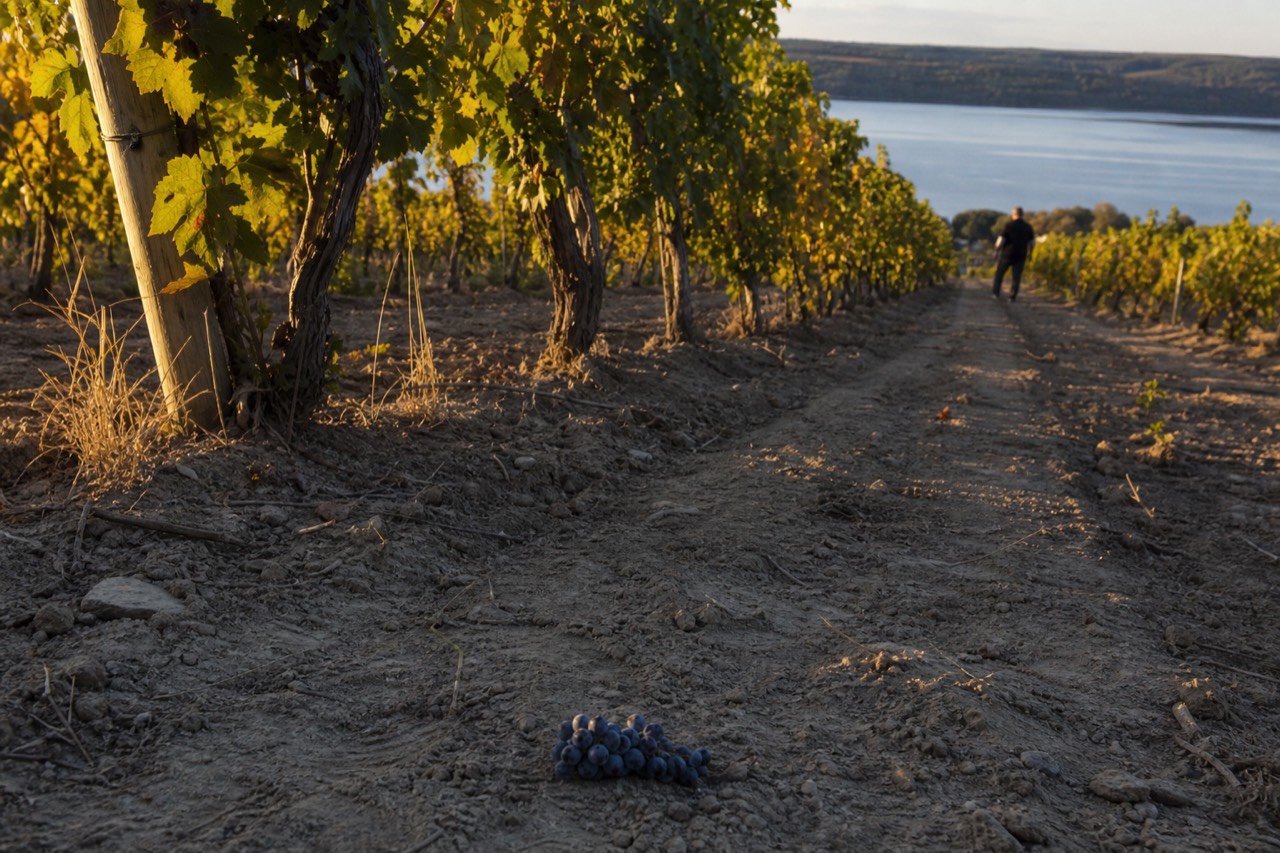
How Many Wineries Are On Seneca Lake?
There is no verified, officially published count of wineries on Seneca Lake alone. What can be said with sourcing is that the wider Finger Lakes region holds more than 100 wineries per Finger Lakes Wine Country, or about 144 per the New York Wine & Grape Foundation, and Seneca Lake is the densest and most tour-driven stretch of it. Anyone quoting you an exact number for the lake by itself is estimating.
That is not a dodge, it is the state of the data. The two organizations that track winery counts in this region, Finger Lakes Wine Country, the regional tourism marketing association, and the New York Wine & Grape Foundation, publish figures for the Finger Lakes as a whole. Neither publishes a lake-by-lake breakdown that can be checked against a primary source. Wineries also open, close, and change hands often enough that a precise single-lake number would go stale quickly even if someone did print one.
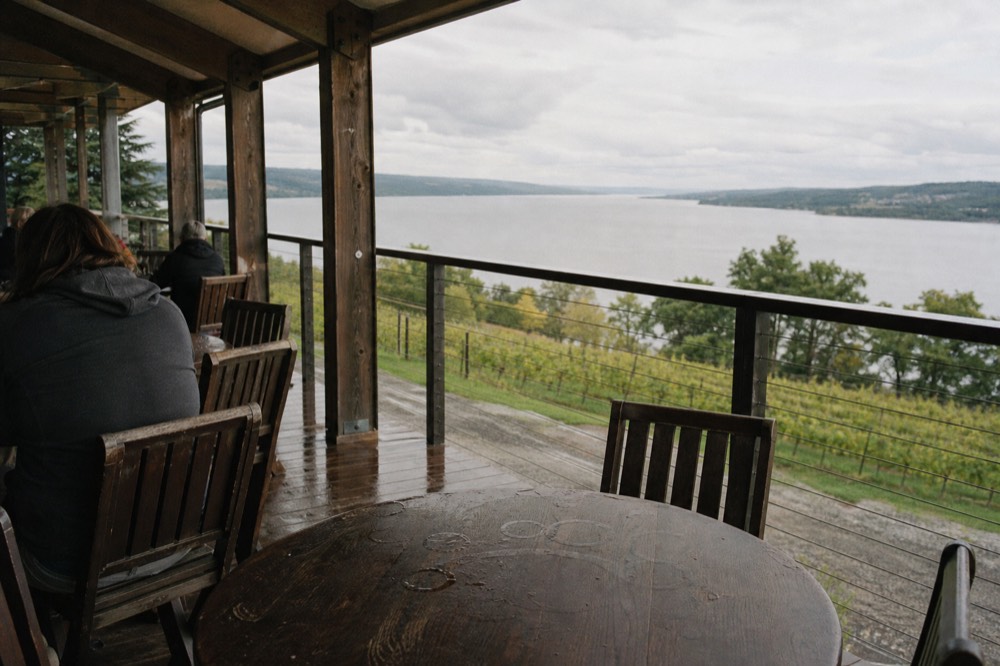
What you can plan around is scale. Seneca Lake is the longest of the region's lakes, and its shores carry the heaviest concentration of tasting rooms in the Finger Lakes, which is why nearly every guided wine tour in the area is built around it. The Seneca Lake AVA, the federally recognized viticultural area surrounding the lake, spans about 204,600 acres, a figure that comes straight from the Treasury Department rule that created it in 2003. That is the footprint of land officially recognized as Seneca Lake wine country, and it is enormous for a single lake.
Here is the honest comparison of the numbers that do exist:
| Figure | What it covers | Source |
|---|---|---|
| More than 100 wineries | The Finger Lakes region as a whole | Finger Lakes Wine Country |
| About 144 wineries | The Finger Lakes region as a whole | New York Wine & Grape Foundation |
| About 204,600 acres | The Seneca Lake AVA land area | 27 CFR § 9.128, T.D. TTB-3 (2003) |
| No verified count | Seneca Lake wineries alone | No primary source publishes one |
Because the count question turns quickly into a planning question, the practical move is to look at the tours that already route the lake efficiently. These three cover Seneca from different angles:
A quick note on why the two regional figures differ. Finger Lakes Wine Country and the New York Wine & Grape Foundation count wineries using different criteria and update their lists on different schedules, so a gap between "more than 100" and "about 144" is expected rather than a sign that one is wrong. Both are honest snapshots of a region that keeps changing.
For planning purposes, the AVA is the more useful boundary than any winery tally. The roughly 204,600 acres recognized in 2003 tell you where the federal government says Seneca Lake wine country begins and ends, and that footprint does not shift the way a winery count does. If a tasting room sits inside that area, it is part of the officially designated zone regardless of which regional tally you prefer.
One last practical takeaway: since no primary source publishes a single-lake count, treat any specific number a website or brochure gives you for Seneca Lake alone as a rough guide, not a fact. Rely instead on the regional figures, the AVA boundary, and the tours that already work the lake, and you will be planning on solid ground.
Why Is There No Official Count Of Seneca Lake Wineries?
Nobody with authority to count them publishes a lake-specific number. The federal government defines the Seneca Lake AVA's boundaries but does not tally tasting rooms inside it, and the regional wine organizations roll their winery counts up to the whole Finger Lakes. A winery also has to be a licensed premises to pour, so the population of addresses is constantly shifting, which makes any single-lake figure a snapshot rather than a fact.
The regulatory picture explains part of this. The American viticultural area system, run today by the Alcohol and Tobacco Tax and Trade Bureau, exists to define where grapes are grown and wine is labeled from, not to count tasting rooms. When the Seneca Lake AVA was established in 2003 under Treasury Decision TTB-3, the rule drew a boundary around about 204,600 acres of land surrounding the lake, and that boundary is the only lake-specific wine figure with a primary source behind it. You can read the codified boundary at 27 CFR § 9.128.
The state side adds no count either. New York requires wineries to hold an Alcoholic Beverage Control Law license to sell and pour, but the State Liquor Authority's licensing rolls are not organized into a tidy "Seneca Lake wineries" list that a tourism writer can cite. So the numbers that circulate online for the lake alone, and there are many, are all someone's manual tally, and they disagree with each other for exactly that reason.
Since an exact count is off the table, the useful question becomes how to cover the most ground without doing the driving yourself. If you would rather have someone else handle the routing, the lunch-included version of the lake's standard tasting tour is the most complete single day on the water:
How Many Seneca Lake Wineries Can You Visit In One Day?
A realistic day on Seneca Lake covers three to five wineries, not dozens, whatever the raw count is. Tasting visits are short, tasting rooms close early by wine region standards, and the lake is long enough that drive time eats the schedule. Guided tours cap their itineraries at three or four stops for exactly this reason.
The arithmetic is unforgiving. A tasting visit is usually well under an hour, and the winding shore roads along a lake this size add real drive time between stops, so four wineries makes a comfortable day and five makes a full one. Push past that and you are rushing pours, skipping lunch, and arriving at tasting rooms in the late afternoon when many are already winding down. Wineries here close early, often by early evening, because tasting room staff are pouring all day and the region's visitors skew toward daytime itineraries. For a fuller breakdown of daily pacing, see how many wineries you can visit in a Finger Lakes day.
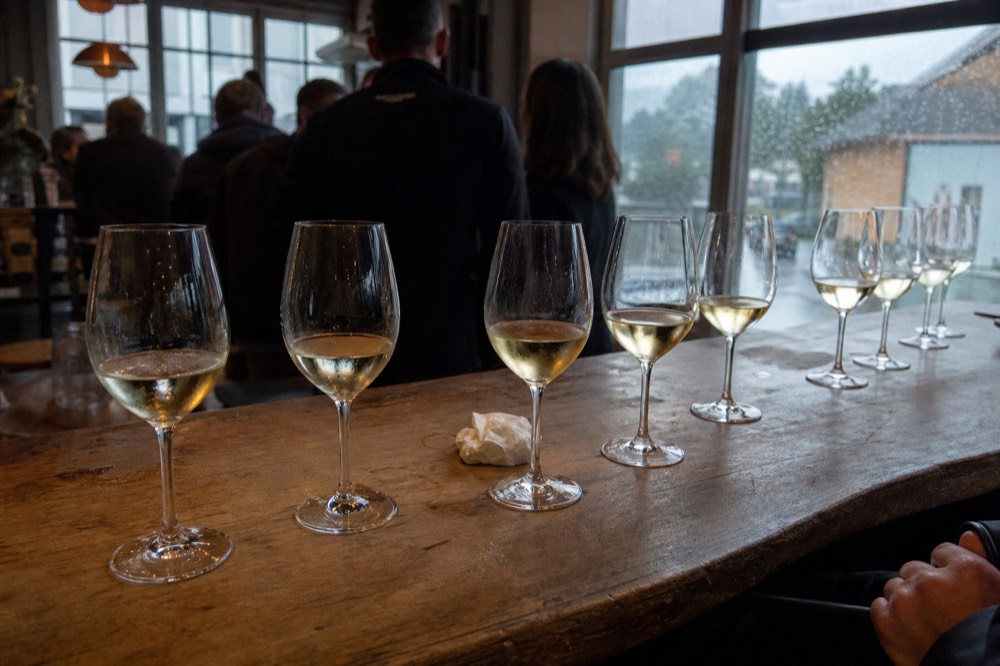
The guided options bake this reality into their formats. The standard Seneca Lake tasting tour from Crush Beer and Wine Tours runs 5 to 6 hours, is capped at 12 travelers, and includes the tastings in the price, from $263 per person. It holds a 4.7 rating across 220 reviews, the most-reviewed listing on this site, and departs from the 41 Lakefront Hotel in Geneva. It is non-refundable, so book it when your dates are firm.
A private format trades the included tastings for control of the route. FLX Chauffeur's customizable Seneca Lake tour runs from $389 per group of up to 4, with the guest choosing the wineries and tastings paid separately at each stop, typically up to four stops of about an hour each per the operator's stated format. For groups of up to 6, the private option runs from $579 per group. If you already know which three or four producers you want, that is the math that matters more than the total count of addresses on the lake.
What Does The Seneca Lake AVA Actually Cover?
The Seneca Lake AVA, established in 2003, covers about 204,600 acres of land surrounding Seneca Lake, all of it inside the larger Finger Lakes AVA that dates to 1982. It is one of only two sub-AVAs in the region, the other being Cayuga Lake from 1988. Keuka Lake, despite its winemaking history, has no AVA of its own.
An AVA is a federal label boundary, not a winery census, but it tells you where the growing reputation is anchored. The rule that created the Seneca Lake AVA, Treasury Decision TTB-3, was published in July 2003 and took effect that September, and its acreage figure is one of the few lake-specific numbers in this whole conversation with a primary source. The parent Finger Lakes AVA was established in 1982 by the Bureau of Alcohol, Tobacco and Firearms, and is administered today by the TTB, a distinction worth keeping straight because the two agencies are routinely confused.
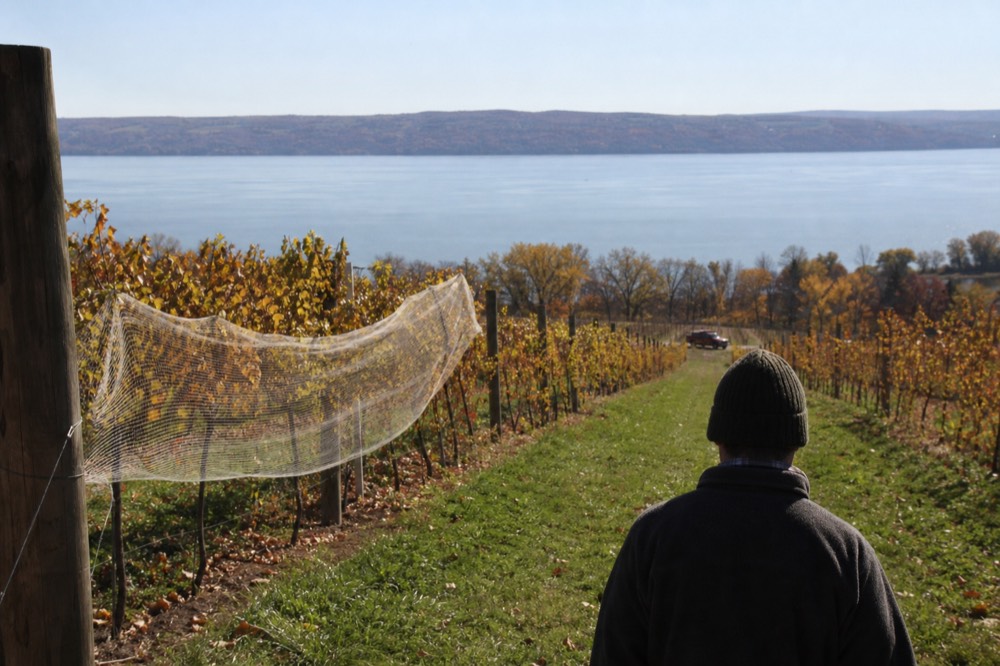
The geography behind the boundary is the interesting part. Seneca Lake runs roughly 618 to 634 feet deep, rarely freezes over, and holds a deep-water temperature near 39°F year-round. That thermal mass holds summer warmth into autumn, delaying the first killing frost so grapes can ripen while keeping their acidity, and buffers winter cold along the shoreline slopes. It is why vineyards cluster in a band right around the lake rather than spreading evenly, and why cool-climate, high-acid varieties, above all Riesling, define the region's reputation. For more on the region's signature pour, our piece on what wine the Finger Lakes are known for goes deeper.
| AVA | Established | Codified at | Note |
|---|---|---|---|
| Finger Lakes | 1982 (by the BATF) | 27 CFR § 9.34 | Parent region, administered today by the TTB |
| Cayuga Lake | 1988 | 27 CFR § 9.127 | Sub-AVA inside Finger Lakes |
| Seneca Lake | 2003 | 27 CFR § 9.128 | Sub-AVA, about 204,600 acres |
| Keuka Lake | Not established | Not applicable | No AVA of its own |
Which Side Of Seneca Lake Has The Wineries?
Both shores carry substantial winery clusters, but the east and west sides differ in character. The east side around Geneva and the northeast shore is where most guided tours start and where the largest, most tour-ready tasting rooms sit, while the west side around the south end holds many of the long-established family producers. There is no official split, because again, no one counts by shore.
Tour routing reflects that geography. The standard shared tour departs from Geneva on the north end, and a separate south-end itinerary, the Seneca Lake South Wine Tastings Tour, covers the lower lake from Watkins Glen and Hammondsport territory. That southern tour runs 5 to 7 hours, is capped at 12, costs from $265 per person with tastings included, and carries a 4.8 rating across 69 reviews. It is non-refundable. If you are deciding which shore to base yourself on, our comparison of which side of Seneca Lake is better for wineries breaks down the trade-offs.
The lunch-included option is the one that removes the last planning variable. The Seneca Lake wine tasting tour with lunch runs about 7 hours, is capped at 12 travelers, and is the only Seneca listing with a meal built into the day, from $325 per person. It is a newer, lightly reviewed listing with 4 reviews on file, and unlike the standard tour it allows free cancellation, which matters if your travel dates are still soft. For a full day with the midday meal handled, that combination of length, flexibility, and included lunch is the single best answer on the lake.
So What Number Should You Plan Around?
Plan around three to five wineries per day, not around a total count. The sourced regional figures, more than 100 wineries per Finger Lakes Wine Country and about 144 per the New York Wine & Grape Foundation, tell you the lake sits inside a genuinely large wine region. But the number that shapes your trip is how many stops you can fit between the late-morning first pour and the early-evening last call.
This is also why Finger Lakes Wine Tours exists as a site at all: the region's scale is real, the winery population is too fluid for a clean census, and the practical questions, which lake, which side, which tour, how many stops, are the ones that actually decide whether your day works. A number on a page cannot tell you whether a tasting room fits your route or your group size, but the tour formats, the departure points, and the cancellation terms can, and those are checkable before you commit a dollar.
If a guided day fits your plans, these are the three Seneca Lake options worth comparing first:
No verified count exists for Seneca Lake by itself, and the two organizations that do count wineries in this region only publish region-wide figures. The honest planning answer is that Seneca Lake holds the densest stretch of tasting rooms in a region of more than 100 wineries, and that three to five stops is what a single day there actually supports. The questions below cover the specifics.
Common Questions About Seneca Lake Wineries
How Many Wineries Are On Seneca Lake?
No verified count exists for Seneca Lake alone. The Finger Lakes region holds more than 100 wineries per Finger Lakes Wine Country, or about 144 per the New York Wine & Grape Foundation, and Seneca Lake is the densest stretch of it, but no primary source publishes a lake-specific tally.
Is Seneca Lake The Biggest Wine Area In The Finger Lakes?
Seneca Lake is the longest lake in the region and carries the heaviest concentration of tasting rooms and guided tours. Its AVA, established in 2003, covers about 204,600 acres, one of only two sub-AVAs in the Finger Lakes alongside Cayuga Lake's from 1988.
How Long Is Seneca Lake?
Seneca Lake is the longest of the Finger Lakes, long enough that a touring day usually covers one end of the lake rather than the whole shore. It also runs roughly 618 to 634 feet deep and rarely freezes over, which is central to the region's cool-climate growing conditions.
How Many Wineries Can I Visit In One Day On Seneca Lake?
Three to five is realistic. Tasting visits are short, tasting rooms close early, and the lake is long, so drive time limits the day more than the number of wineries does.
Do I Need A Guided Tour To Visit Seneca Lake Wineries?
No, you can self-drive, but the lake's length makes routing and pacing a real task. Guided shared tours from about $263 per person include the tastings, while private customizable options run from about $389 per group of up to 4 with tastings paid separately.
Can You Walk The Seneca Lake Wine Trail?
Not in any practical sense. The wineries are spread along miles of shoreline roads, so touring is done by car, van, or bus rather than on foot.