Finger Lakes Cheese Trail And Food Pairing Stops: A Practical Guide
The Finger Lakes is wine country first, but the same glacial valleys that grow world-class Riesling also sustain a working dairy landscape. Here is how to build a day that pairs the two honestly.
Short answer
The Finger Lakes cheese trail is a loose network of creameries, farm stores, and tasting rooms clustered around the same lake slopes as the wineries. There is no single ticketed trail; you build your own route. Most visitors pair two or three dairy stops with a guided wine tour, and the lunch-inclusive tours from around $321-$325 per person fold the food course into the day.
The Finger Lakes is wine country first, but the same glacial valleys that produce the region's signature Riesling also sustain a working dairy landscape. The Finger Lakes Wine Alliance calls Riesling the variety the region is "perhaps best known for," and the reason the vineyards cluster on the slopes at all is the same reason the farmland around them stays productive: deep, slow-freezing lakes that hold summer warmth into fall. Cheese is not a side note here. It is the other half of an agricultural region, and pairing stops between wineries is one of the most practical ways to structure a day.
This guide covers how the cheese trail actually works, which stops fit with which wine routes, what the lunch-inclusive tours genuinely cover, and what a realistic budget looks like. The short version: there is no single ticketed trail, you build your own route, and a guided tour with lunch included is the simplest way to fold the food course into a wine day.
What Is The Finger Lakes Cheese Trail And How Does It Work?
The Finger Lakes cheese trail is a self-guided network of small creameries, farm stores, and cheesemaking operations scattered across the same lake valleys as the wineries, with no single pass, ticket, or central booking system; you drive between stops yourself or attach them to a tour day, and the whole thing works best as two or three dairy visits woven between winery tastings rather than a standalone all-day itinerary.
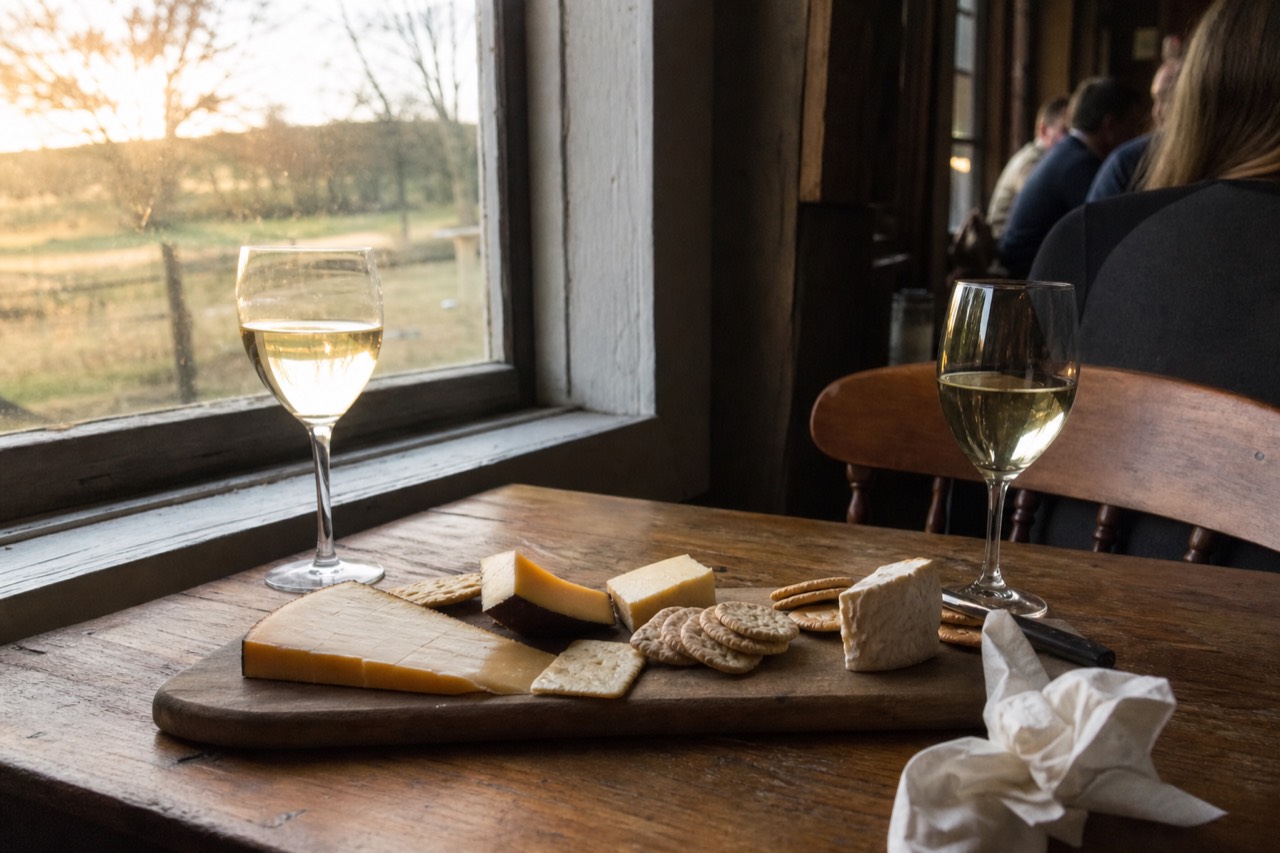
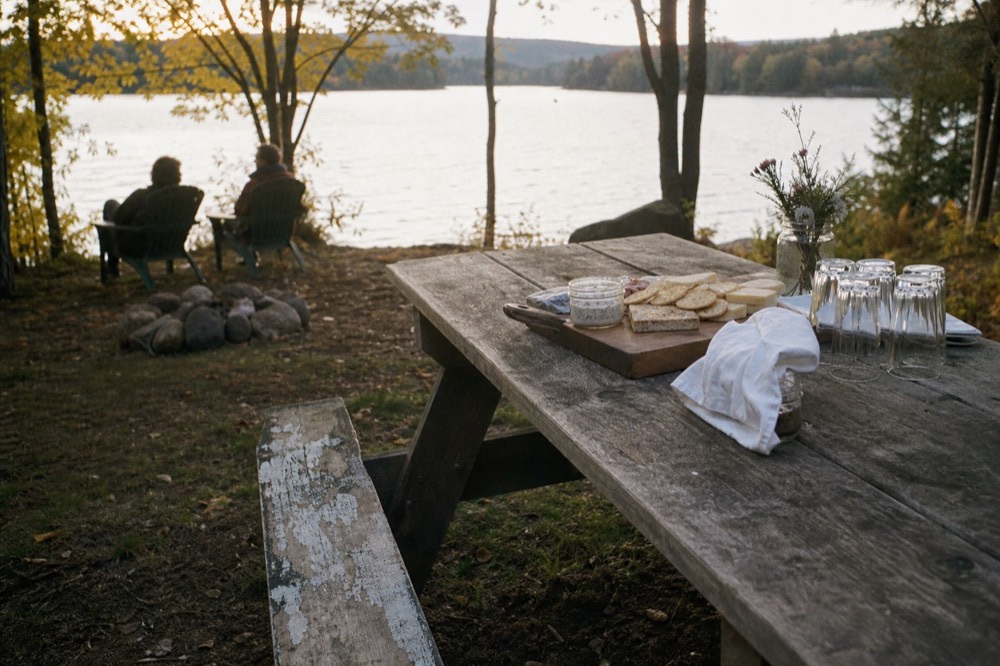
The word "trail" is slightly misleading. Unlike a ski resort or a museum pass, the cheese trail is not one continuous signed route. It is a collection of independent producers, many of them family farms, who each set their own hours, seasons, and tasting formats. Some offer structured cheese flights the way a winery offers a tasting flight. Others are simply farm stores where you buy a wedge, a cracker pack, and a jar of local honey, and eat it on a picnic bench overlooking a pasture.
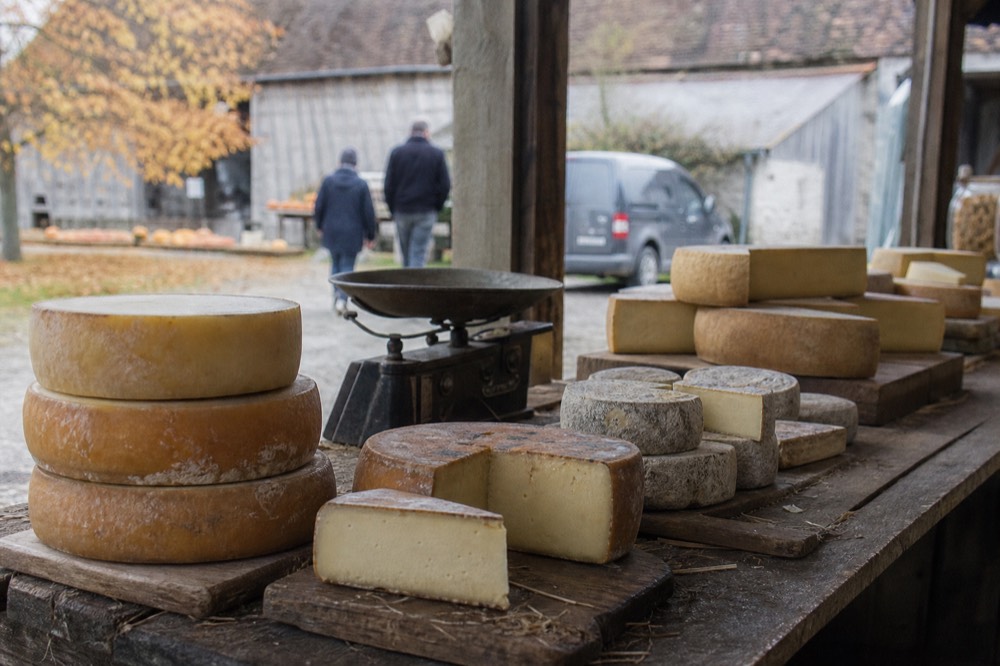
What makes the concept work in this region specifically is geography. The wineries and the dairy farms share the same corridors: the roads that ring Seneca, Keuka, Cayuga, and Canandaigua lakes pass through both. You are not driving an hour out of your way to reach cheese. In practice, most visitors treat a creamery stop as the mid-morning or mid-afternoon break in a wine day, the moment when the group that has tasted through four Rieslings needs bread, fat, and a view that is not a tasting bar.
A few practical realities shape every cheese trail day. Farm stops keep shorter and more seasonal hours than wineries, and several close or reduce hours outside the summer and early-fall season. Some creameries charge a small fee for a guided tasting of their cheeses, others sell by weight with no tasting fee at all. If a specific creamery is the centerpiece of your plan, confirm its hours for your date before building the rest of the day around it. The same advice applies to wineries, and it applies doubly to farms, whose hours follow milking schedules and seasons rather than tourism calendars.
Which Cheese Styles Pair Best With Which Finger Lakes Wines?
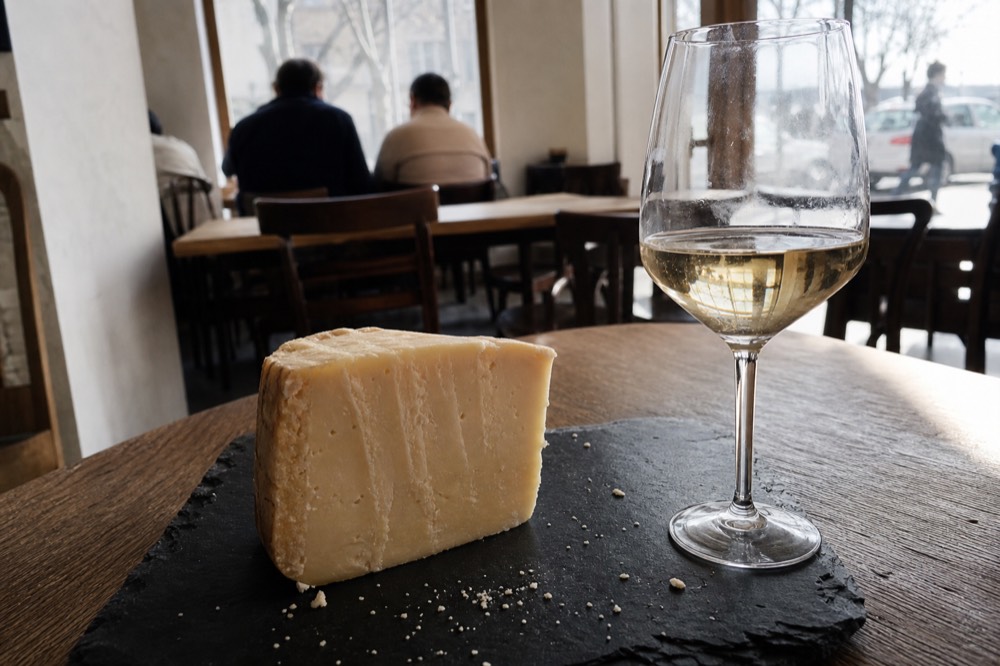
Pair by weight and acidity: the region's high-acid whites, above all Riesling, are the natural partner for the fresh and washed-rind cheeses the local dairies make, while Cabernet Franc and Lemberger, the leading local reds, stand up to firmer aged cheeses, and the classic regional move is a local cheddar-style or alpine-style wedge with a dry Riesling on a lake-view porch.
The region's wine identity is cool-climate and acid-driven, and that shapes the pairing logic more than any individual creamery's catalog. Riesling, the signature pour, ranges from bone-dry to late-harvest sweet, and its acid-and-fruit profile is forgiving with cheese in a way big tannic reds are not. A slightly sweet off-dry Riesling against a salty, savory local cheese is the single most reliable pairing in the region, because the sweetness cushions the salt and the acid cuts the fat.
For reds, the region's most-planted red vinifera is Cabernet Franc, and Lemberger, also labeled Blaufrankisch, is the other local red with enough structure for the cheese board. Both have bright acidity themselves, which keeps them workable with cheese where a heavier red would clash. Ice wine, made regionally from Vidal Blanc grapes left on the vine into the hard freeze and pressed while still frozen, is the dessert end of the spectrum, and a blue-style cheese or a dense aged wedge against a small pour of ice wine is the region's answer to port-and-Stilton.
The honest caveat is that no source splits varietal planting or cheese production by individual lake, so any claim that one lake "specializes" in a pairing is invented. What is real is the regional pattern: fresh, washed-rind, and alpine-style cheeses from small dairies, high-acid whites in the glass, and a climate that favors both. If you want to read more about the wine side of that equation, the guide to what the region is actually known for covers the varietals in depth.
If you would rather have the pairing logistics handled, these are the listings on this site that fold food into the wine day:
Can You Combine Cheese Stops With A Guided Wine Tour In One Day?
Yes, but the arithmetic matters: the region's shared small-group tours run 5 to 7 hours and cap at 12 travelers, which leaves little slack for unscheduled farm detours, so the realistic combinations are a morning creamery visit before an afternoon tour, a walk-in tasting stop near a tour's route, or a private tour where you choose the stops.
The shared small-group format is the region's most popular way to tour, and its constraint is the clock. A 5-to-6-hour Seneca Lake tour from Crush Beer and Wine Tours, for example, departs from the 41 Lakefront Hotel in Geneva and moves a group capped at 12 through a fixed sequence of wineries, with tastings included in the price. There is no flex time for a detour to a creamery, and the group will not wait. That is not a flaw, it is the trade you make for not driving.
The three workable combinations, in order of simplicity:
| Combination | How it works | Best for |
|---|---|---|
| Lunch-inclusive guided tour | The operator builds a meal stop into the itinerary; nothing extra to plan | Visitors who want one booking to cover wine and food |
| Private customizable tour | You pick the stops, so a creamery can go on the route; tastings paid separately | Groups with a specific food agenda |
| Creamery before or after a shared tour | You drive yourself to a farm stop outside the tour window | Independent travelers with a car |
The private route deserves a note. FLX Chauffeur's customizable format lets the guest pick the wineries, with up to 4 winery stops of about an hour each per the operator's own stated format, and tastings are extra rather than included. That flexibility is exactly what a cheese-first itinerary needs, and it is the one format where a creamery genuinely can replace one of the four winery stops if the group agrees. The trade is cost and planning effort: you are paying for the van and the driver, and you are making the decisions.
The simplest option of all is the lunch-inclusive tour, because the operator has already solved the midday problem. On Seneca Lake, the Seneca Lake: Wine Tasting Tour with Lunch from Crush runs 7 hours, includes lunch, caps at 12, and carries free cancellation, from $325 per person. It is a newer, lightly reviewed listing with 4 reviews on file, so judge it on the operator's broader record rather than that small sample. The same operator's standard Seneca tour, without lunch, holds a 4.7 across 220 reviews, the most-reviewed listing on this site, which says something about how the operator runs its days.
What Do The Lunch-Inclusive Tours Actually Cover?
Two listings on this site include lunch: the Seneca Lake: Wine Tasting Tour with Lunch at from $325 per person and the Canandaigua Lake: Wine Tasting Tour plus Lunch at from $321 per person, both 7 hours, both capped at 12 travelers, and both with free cancellation; lunch means a seated meal stop on the itinerary, not a cheese trail, and tastings are included on both.
It is worth being precise about what "lunch included" does and does not mean, because the phrase invites assumptions. It does not mean a cheese trail, a farm visit, or a curated local-food crawl. It means the tour day has a real meal stop built in, so nobody in the group is tasting wine on an empty stomach or scrambling to find a restaurant that can seat twelve people at midday in a village whose entire dining capacity is two tasting-room cafes. In a region where wineries close early and lunch seating is scarce, that is a genuinely practical feature.
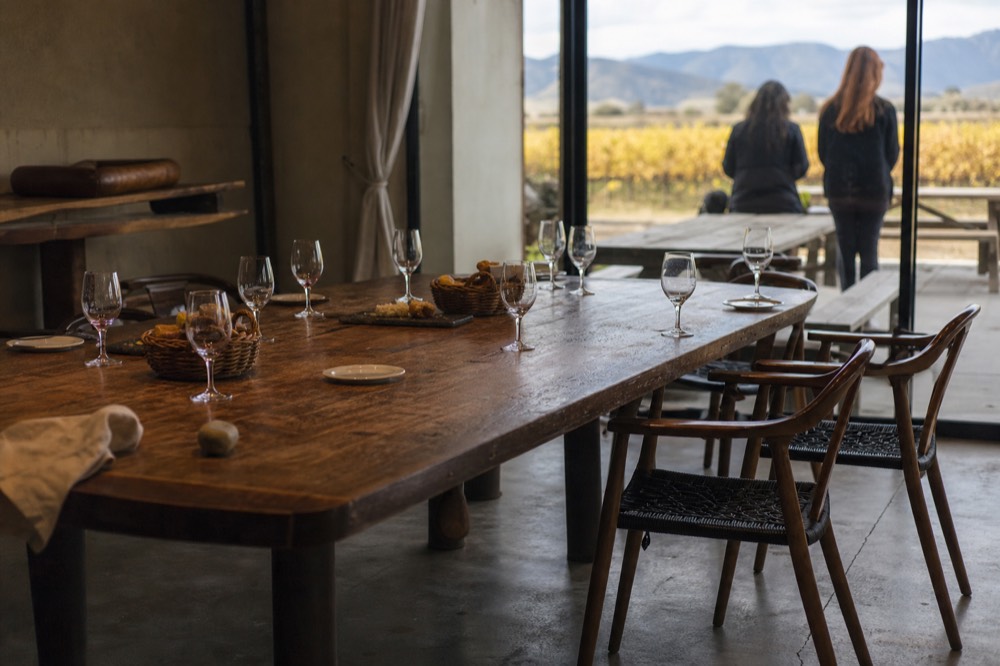
The two lunch listings sit on different lakes, which is the real decision between them. The Seneca lunch tour covers the lake with the most wineries and the region's own sub-AVA, established in 2003 and spanning about 204,600 acres. The Canandaigua version is a new listing with no reviews yet, so there is no star claim to make, but it runs the same 7-hour, capped-at-12, free-cancellation format from $321 per person, and it is the only lunch-inclusive option on that lake. If your base is Canandaigua or Farmington rather than Geneva or Watkins Glen, the choice makes itself.
| Listing | Lake | Price | Duration | Cancellation | Reviews |
|---|---|---|---|---|---|
| Seneca Lake: Wine Tasting Tour with Lunch | Seneca | From $325 per person | 7 hours | Free cancellation | 4 reviews |
| Canandaigua Lake: Wine Tasting Tour plus Lunch | Canandaigua | From $321 per person | 7 hours | Free cancellation | New listing, no reviews yet |
Both lunch listings allow free cancellation, which is worth pausing on. Most of the shared small-group tours on this site are non-refundable, so the lunch-inclusive format is the one corner of the roster where you can lock in a date early and still change it if your plans shift. That combination of a built-in meal and a refundable booking is exactly what a first-time visitor should be looking for.
One more framing note: if a full lunch tour is more day than you want, the walk-in option at Fulkerson Winery in Dundee is the roster's inexpensive companion piece. The Fulkerson Standard Wine Tasting runs 25 minutes, from $9 per person, with no pickup and no guide, and it holds a 4.4 across 19 reviews. It is a single-winery stop, not a tour, and it pairs naturally with a self-driven cheese day through the Seneca Lake south end, where Fulkerson sits. The wine tasting fees and etiquette guide covers how walk-in tastings differ from guided ones in more detail.
Where Do The Cheese Stops Sit Relative To The Wine Trails?
The cheese and farm stops share the same lake-ring corridors as the wineries, so the trail map is effectively the wine trail map with dairy pins added: Seneca Lake's east and west drives carry the densest cluster, the Keuka Lake loop around Hammondsport and Penn Yan mixes wineries with farm country, and Canandaigua's route toward Naples thickens with orchards and creameries, so drive times between stops are minutes, not hours.
The region's winery density is what makes this workable. Finger Lakes Wine Country describes the region as home to more than 100 wineries, and the New York Wine & Grape Foundation counts about 144 for the region. Either way, the wineries are strung along the lake-ring roads, and the agricultural land between them is where the dairies operate. A cheese stop is rarely a detour; it is usually something you pass on the way to the next tasting room.
For route planning, the useful frame is which lake you are committing to for the day. Seneca is the biggest and the busiest, Keuka is the most compact loop, Canandaigua is the most food-oriented of the four in terms of orchards and farm stands along the drive, and Cayuga has the thinnest tour inventory, with only two listings on this site, so a Cayuga cheese day is a self-driven project. The wine trail map guide lays out how the trails connect, and the lake-by-lake comparison is worth reading if you have not picked a base yet.
A practical note on pacing: farm stops and wineries do not share a schedule culture. Wineries here are known for closing early, and creameries can be earlier still, especially outside peak season. A route that puts the creamery stop last, late in the afternoon, is a route where the creamery stop probably does not happen. Front-load the farm visits and let the wineries carry the afternoon.
What Should A Cheese-And-Wine Day Realistically Cost?
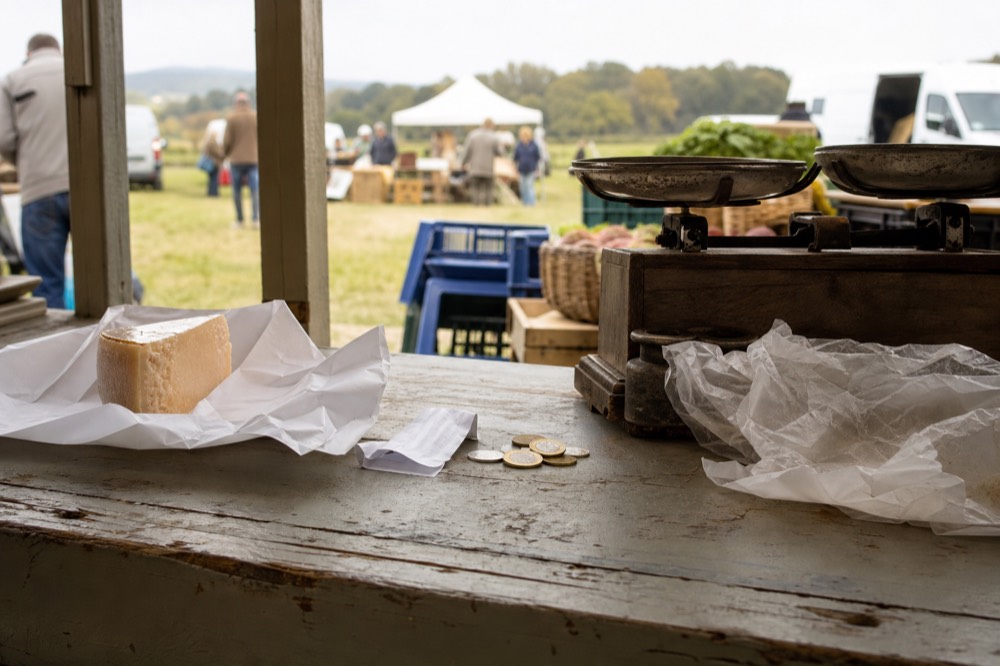
A realistic budget is roughly $258 to $269 per person for a shared small-group tour with tastings included, or about $321 to $325 per person for a lunch-inclusive guided day, while a self-driven trip costs a walk-in tasting fee per winery plus whatever you buy at the farm counter, with the cheapest line item being the $9 Fulkerson walk-in tasting.
The budget question splits cleanly into guided and self-driven. Guided means one price, no car, no route decisions, and on the shared Crush format, tastings are included in the fare, so the number you pay is the number the day costs, apart from anything you buy to take home. Self-driven means every tasting fee and every wedge is à la carte, which is cheaper per stop but adds up quietly across four wineries and two creameries.
| Day format | Rough per-person cost | What is included |
|---|---|---|
| Shared small-group tour (no lunch) | From $258-$269 per person | Transport, guiding, tastings |
| Lunch-inclusive tour | From $321-$325 per person | Transport, guiding, tastings, lunch |
| Private customizable tour | From $389 per group, up to 4 | Transport, guiding; tastings extra |
| Self-driven with walk-in stops | The $9 Fulkerson tasting is the floor; other fees are on each listing | Nothing bundled; you pay per stop |
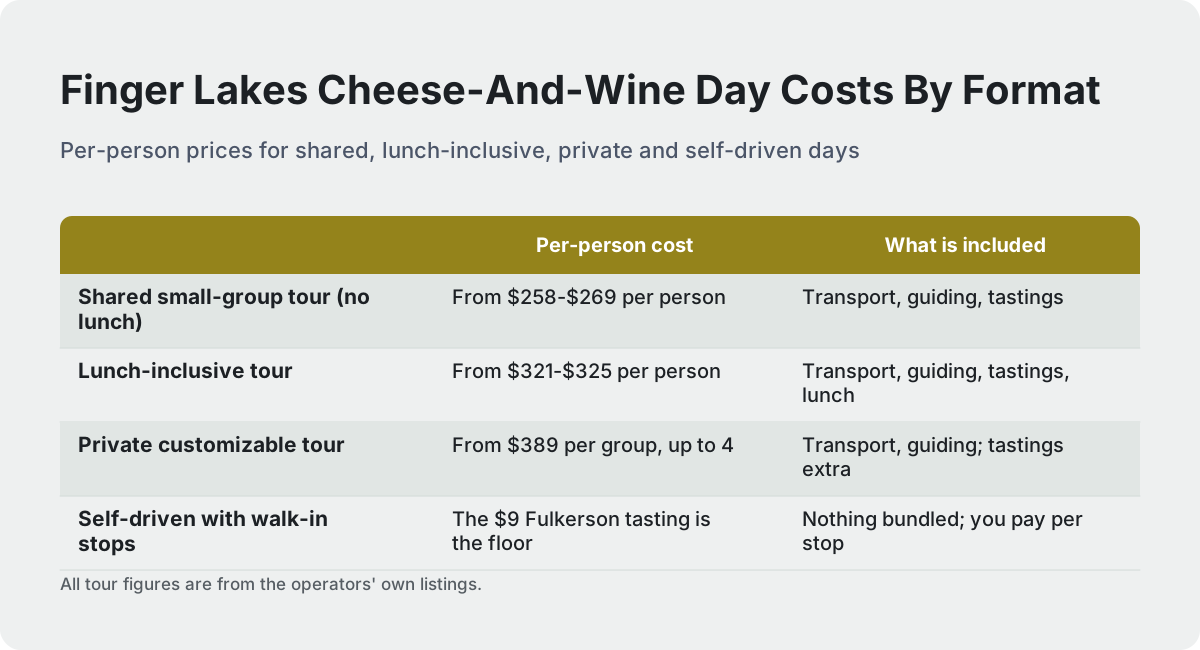
Two budget notes that are easy to miss. First, the private formats price per group, not per person, so a party of four splitting a from-$389 group rate can land near the shared-tour per-person range, though tastings are extra on those. Second, the private listings are non-refundable, while several shared and lunch-inclusive listings allow free cancellation, which has real value if your travel dates are not locked. Check the cancellation terms on the live listing before booking anything, because they differ listing to listing even within the same operator.
When Is The Best Season For A Cheese-And-Wine Day?
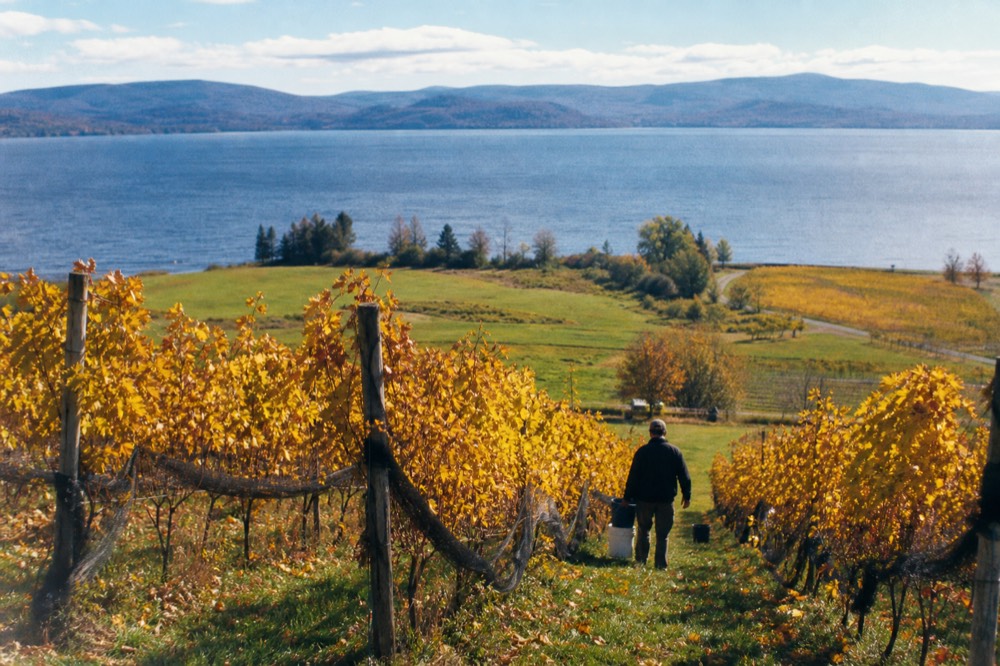
Early fall is the peak window, roughly September through October, when harvest season puts both the wineries and the farm stands at their fullest and the lake-moderated climate keeps the afternoons pleasant; summer offers the longest farm hours and the widest cheese selection, and winter is the honest trade-off, when some creameries scale back or close entirely.
The seasonal logic follows the same climate mechanism that makes the wine possible at all. Seneca Lake runs roughly 618 to 634 feet deep, rarely freezes over, and holds a deep-water temperature near 39°F year-round, which is why the vineyards survive on the shoreline slopes and why fall lingers. That same long fall is the best cheese-and-wine window: the grapes are coming in, the farm stores are at full stock, and the tasting rooms are at their busiest. Book the guided tours early for that window, because the 12-traveler caps fill.
Summer is the safe second choice, with the longest hours at both wineries and creameries and the most forgiving weather for driving between stops. Winter has a specific appeal for wine, ice wine season being real here, made from Vidal Blanc grapes left on the vine into the hard freeze and pressed while still frozen, but a winter cheese trail day is a plan to check farm by farm rather than assume. The best time to visit guide covers the wine-side seasonality in more depth.
What Should You Know Before You Go: Hours, Ids, And Etiquette
Bring government-issued photo ID because New York's drinking age is 21 with no parental-consent exception for tasting rooms, plan farm stops for the morning or early afternoon because creameries keep shorter hours than wineries, expect to buy cheese by the wedge rather than a seated flight everywhere, and remember the region's wineries close early, so a late-starting day fits neither the farms nor the tasting rooms.
The legal point is unambiguous. Under N.Y. Alcoholic Beverage Control Law § 65, no licensee may serve a person under 21, and the limited possession exception in § 65-c covers a parent giving a drink at home, not a tasting room pouring for an under-21 guest. Accepted ID in New York includes a driver's license from any US state or Canada, a NY non-driver ID, US military ID, or a passport or visa. Tour operators enforce this at the wineries, not at booking, but an under-21 guest in the group should expect to be holding the cheese board rather than the glass.
On etiquette, the farm-stop culture is more casual than the tasting rooms. A few habits serve visitors well:
- Buy what you taste where a tasting fee is charged, and buy a wedge if the flight was free.
- Call ahead for groups above six at small creameries; counter space is limited.
- Keep cheese in a cooler in the car between stops, especially in summer; a wedge sitting in a hot van for five hours is a lost wedge.
- Tip at farm counters where a jar is out, the same as at tasting bars.
For deeper planning, Finger Lakes Wine Tours maintains the full tour roster by lake, and the region's official tourism association, Finger Lakes Wine Country, is the source to check for current winery and farm-stop listings when you build your own route.
The trail is self-guided with no pass, farm stops keep shorter hours than wineries, the drinking age is 21 with no exceptions at tasting rooms, and the only tours on this site that include lunch are the two listings named below, so the practical questions come down to route-building, budget, and which tour format fits your group.
Common Questions About The Finger Lakes Cheese Trail
Is There An Official Finger Lakes Cheese Trail Pass Or Ticket?
No. The cheese trail is a loose network of independent creameries and farm stores, not a ticketed route. Each stop sets its own hours, fees, and seasons, and you build your own itinerary or attach farm stops to a wine tour day.
Can You Visit Cheese Stops And Wineries In The Same Day?
Yes, and it is the standard way to do it. The lake-ring roads pass through both wine country and dairy farmland, so a creamery is usually minutes from the next tasting room. Front-load the farm stops, because creameries often keep shorter hours than wineries.
Do Any Finger Lakes Wine Tours Include Lunch?
Two listings on this site do: the Seneca Lake: Wine Tasting Tour with Lunch at from $325 per person and the Canandaigua Lake: Wine Tasting Tour plus Lunch at from $321 per person, both 7 hours and both with free cancellation. No other listing on the roster includes lunch.
What Wine Pairs Best With Local Cheese?
High-acid regional whites, above all Riesling, are the most reliable partner for fresh and washed-rind local cheeses, with an off-dry style against a salty wedge being the classic regional move. Cabernet Franc and Lemberger, the leading local reds, handle firmer aged cheeses.
How Much Does A Cheese-And-Wine Day Cost?
Guided days with lunch included run from $321 to $325 per person; shared small-group tours without lunch run from the $250s per person with tastings included. A self-driven day costs per stop, and the $9 walk-in tasting at Fulkerson Winery is the least expensive line item on the roster.
Do You Need To Be 21 For The Cheese Trail?
No, the farm stops themselves are all-ages. But any wine tasting requires you to be 21 under New York law, with no parental-consent exception at licensed premises, so bring government-issued photo ID for anyone in the group who plans to taste.