Is Finger Lakes Wine Any Good?
An honest look at Finger Lakes wine quality, from world-class Riesling to cool-climate reds. Learn why the region stands out and how to find the best bottles on a tasting tour.
Is Finger Lakes Wine Any Good?
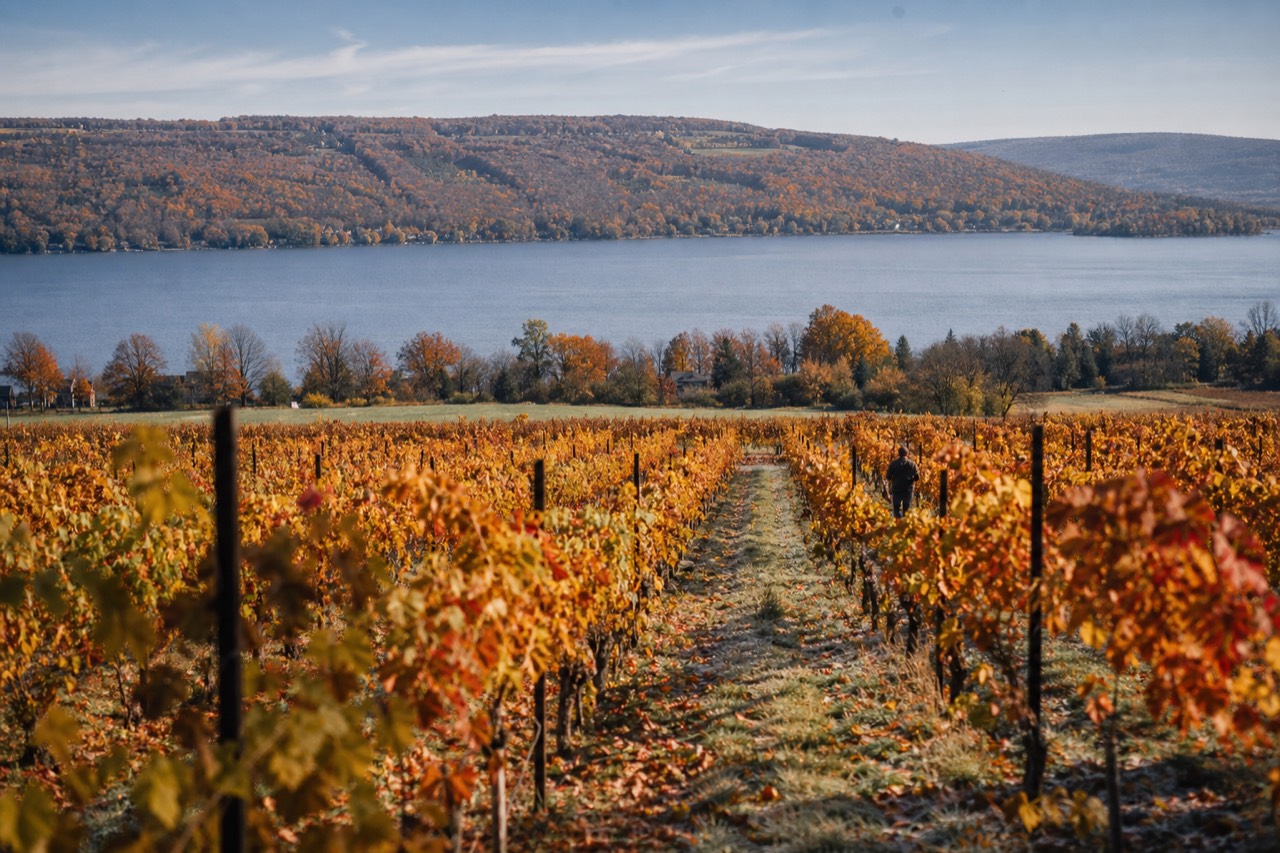
The question comes up often, especially from travelers who know Napa Valley cabernets but haven't yet wound their way around Seneca, Keuka, or Cayuga. The Finger Lakes region makes wine differently, leaning toward cool-climate, acid-driven styles that draw comparisons to Germany or Alsace. That isn't a downgrade, just a different personality. The short answer: yes, Finger Lakes wine is worth seeking out. The longer answer depends on what you like to drink, and that's where a little background helps. The region doesn't try to compete with California on ripeness and power. It plays a different game entirely, one built around tension, precision, and a climate that forces vines to work slowly.
Is Finger Lakes Wine Any Good?
Yes, Finger Lakes wine is legitimately good, but in a specific cool-climate way. The region's signature Riesling ranks among the best in the US, with bright acidity and mineral complexity. Reds like Cabernet Franc and Lemberger perform well, and ice wine is a local treat. It's not Napa-style sunshine fruit bombs, but if you appreciate European-style whites, the Finger Lakes delivers, often at a fraction of the price of comparable Old World bottles.
The Finger Lakes AVA, established in 1982 by what was then the Bureau of Alcohol, Tobacco and Firearms and administered today by the TTB, covers the slopes around eleven narrow glacial lakes. Only two sub-AVAs exist inside it: Seneca Lake and Cayuga Lake. Keuka Lake carries no AVA of its own, a quirk worth knowing when you're deciding which lake to visit. The deep lakes themselves, Seneca runs roughly 618 to 634 feet deep and holds a near-bottom temperature of about 39°F year-round, act as a thermal buffer. They hold summer warmth into autumn, delaying the first killing frost so grapes can hang longer and keep their acidity, and they moderate winter cold along the shoreline slopes. That's why vineyards cluster so tightly around the lakes and why cool-climate, acid-driven varieties do so well here. The effect is not subtle: a vineyard planted a mile inland from the lake can face a killing frost days earlier than one on the shoreline slope, which is enough to make or break a harvest in a cool year.
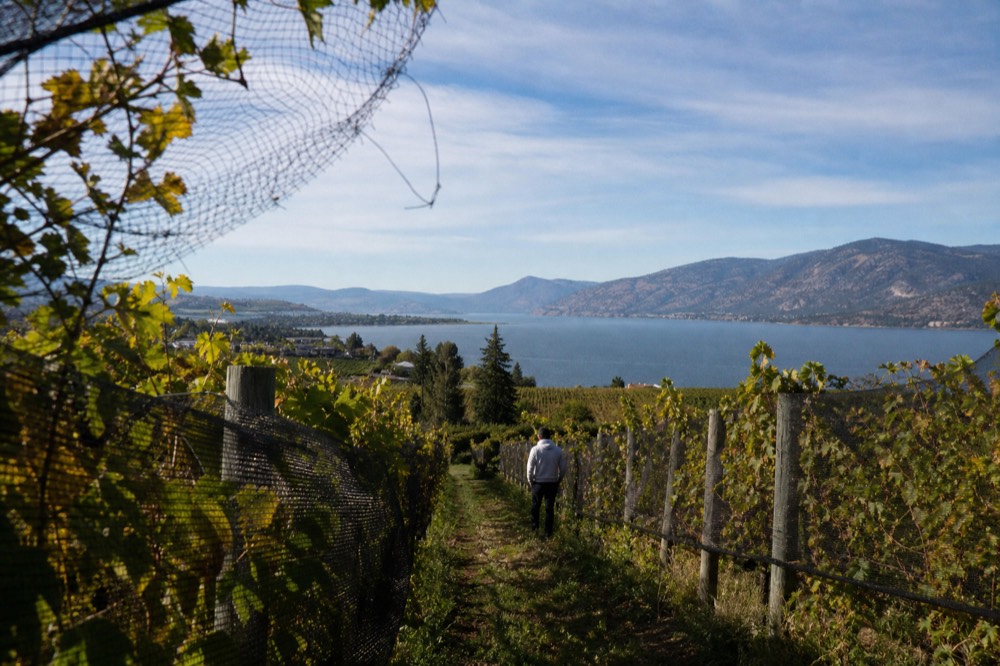
Riesling is the region's calling card. The Finger Lakes Wine Alliance describes it as "world-class Rieslings," and wine writers and judges routinely place Finger Lakes Rieslings alongside their counterparts from the Mosel or Alsace. The range runs from bone-dry through off-dry and late-harvest to ice wine, so you can find a style for nearly every palate. For a deeper dive into the grape itself, our guide to Finger Lakes Riesling covers the full spectrum of styles and producers. When planning a tasting trip, Finger Lakes Wine Tours covers the full spread of guided group tours and private chauffeur options, making it easy to sample the best of what the region pours.
The easiest way to judge quality for yourself is to join a tour that visits several wineries in one day. The three picks below hit different styles and budgets, from an all-inclusive group day on Seneca Lake to a walk-in tasting at a single winery that costs less than a movie ticket.
How Do You Find The Best Finger Lakes Wines?
The best way to taste widely is a small-group tour that visits several wineries. Guides know the top rooms and handle the driving entirely. Seneca Lake tours from Crush (from $263 per person) include tastings and earn a 4.7 rating across 220 reviews. You can also drop into tasting rooms independently, with fees typically running $5 to $15 per flight.
Tasting costs in the Finger Lakes are refreshingly modest. Fulkerson Winery in Dundee, for example, offers a standard tasting at $9 per person, one of the lowest real prices on the roster. Most wineries fall between $5 and $15 for a flight of four to six pours, though a few higher-end or reserve flights can nudge above $20. The key is that you aren't locked into overpriced experiences; it's easy to taste widely without breaking the budget. Our guide to wine tasting fees, hours, and etiquette covers what to expect when you walk into a room, including how flights work and whether fees are refunded with a bottle purchase.
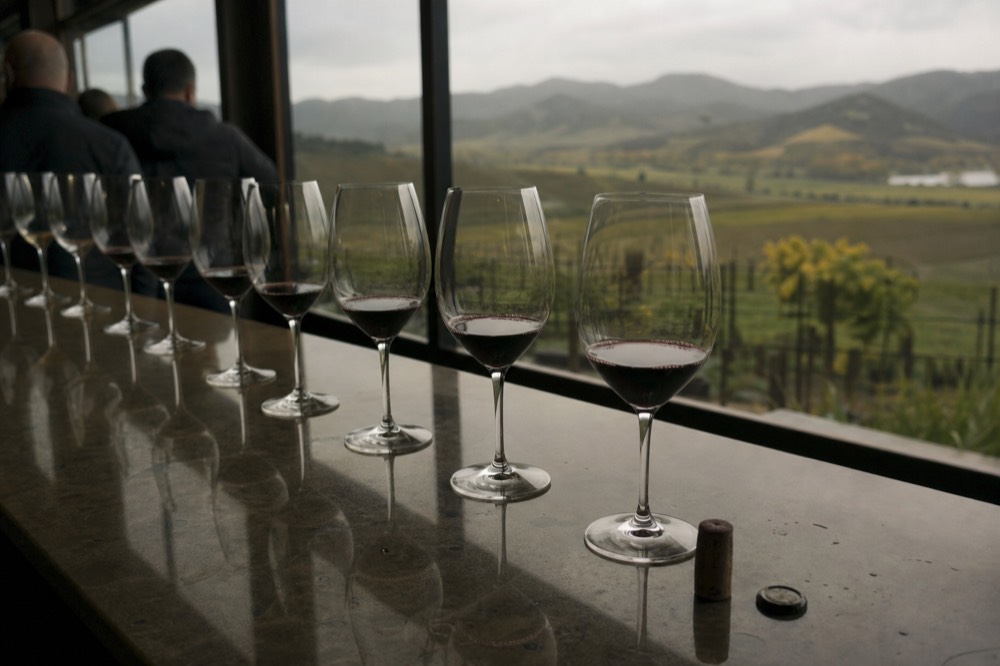
A typical tasting room visit runs about 25 to 45 minutes. You'll stand or sit at a bar or a table, and a staff member pours through a flight of wines, usually progressing from dry whites through to reds and sometimes a dessert wine. Most rooms are relaxed, not formal, and the people pouring often know the vineyard and the winemaker personally. You can ask questions about the growing season, the winemaking choices, or what to pair with a particular bottle. Many rooms also sell cheese boards or small snacks, and a growing number offer outdoor seating with a view of the lake.
Guided tours bundle the logistics, so you can concentrate on what's in the glass. The Seneca Lake Wine Tasting & Tour from Crush (from $263 per person) is the most-reviewed offering on our site, and for good reason. It's a shared small-group van capped at 12 travelers, departing from the 41 Lakefront Hotel in Geneva. Tastings are included in the price, which removes the mental math at each stop. Over five to six hours, you'll hit four or five wineries on the lake's slopes. Reviews consistently praise the guides' knowledge and the pacing of the day, with the listing holding a 4.7-star average across 220 reviews.
Beyond a guide's local knowledge, the real advantage of a tour is that you aren't negotiating unfamiliar winding roads after a flight of Riesling. Many tasting rooms along Seneca sit on narrow country routes with limited shoulder room, and the designated-driver rule is non-negotiable. A tour handles the driving completely. It also means you can visit wineries that are spread out along the lake, rather than clustering around one small section. The distance from the northern tip of Seneca near Geneva down to the southern wineries around Watkins Glen is about 35 miles, and a tour lets you cover that ground without rushing or backtracking.
For a reliable all-inclusive Seneca Lake day that shows what the region can do, the Seneca Lake Wine Tasting & Tour from Crush remains the default choice. You'll taste across different producers, get a feel for the lake's microclimate at each stop, and likely come away with a few bottles tucked under your arm. The tour runs five to six hours, which is about the right length for a comfortable day without palate fatigue. If you're wondering whether a half-day is enough to form a real opinion of the region's wine, this tour hits the sweet spot: enough stops to see variety, not so many that the wines start to blur together.
Which Grape Varieties Make The Finger Lakes Stand Out?
Riesling is the obvious star, but the Finger Lakes also produce noteworthy Cabernet Franc, Lemberger (Blaufränkisch), and Chardonnay, along with hybrid grapes like Vidal Blanc used for ice wine. The region's cool climate gives whites high acidity and minerality, while reds tend to be lighter-bodied with peppery or earthy notes, more akin to Loire or Austrian wines than heavy California fruit bombs.
The vineyard mix here is a direct result of the climate. Winter lows can dip below zero, and the growing season is shorter than in California, so grape varieties must be cold-hardy or bud late. That explains why Cabernet Sauvignon and Merlot are rare, while Cabernet Franc (the most-planted red vinifera) and Lemberger thrive. On the white side, Riesling dominates, but Chardonnay and Gewürztraminer also appear regularly, and hybrid grapes like Vidal Blanc, Seyval Blanc, and Traminette fill out the picture. Cayuga White, a hybrid bred at Cornell University's agricultural experiment station in Geneva, is a locally developed grape you won't find in many other wine regions. If you want to know more about the full range of grapes grown here, our breakdown of what the Finger Lakes are known for goes into detail on each variety.
| Grape | Type | Typical Style | What to Expect |
|---|---|---|---|
| Riesling | White (vinifera) | Dry to ice wine | Green apple, citrus, wet stone, racing acidity; the region's signature |
| Cabernet Franc | Red (vinifera) | Medium-bodied red | Red berry, bell pepper, graphite; the most-planted red |
| Chardonnay | White (vinifera) | Unoaked to lightly oaked | Apple, pear, sometimes a mineral edge; grows widely |
| Gewürztraminer | White (vinifera) | Aromatic, off-dry to dry | Lychee, rose petal, spice; a small but notable presence |
| Lemberger (Blaufränkisch) | Red (vinifera) | Light- to medium-bodied red | Dark cherry, black pepper, bright acidity; Austrian-style red |
| Pinot Noir | Red (vinifera) | Light-bodied red | Red cherry, earth, subtle tannins; cool-climate expression |
| Vidal Blanc | White (hybrid) | Dry, off-dry, ice wine | High acid, citrus, honeyed when iced; the go-to ice wine grape |
| Cayuga White | White (hybrid) | Crisp, off-dry, sparkling | Melon, floral notes; a Cornell-bred hybrid, very local |
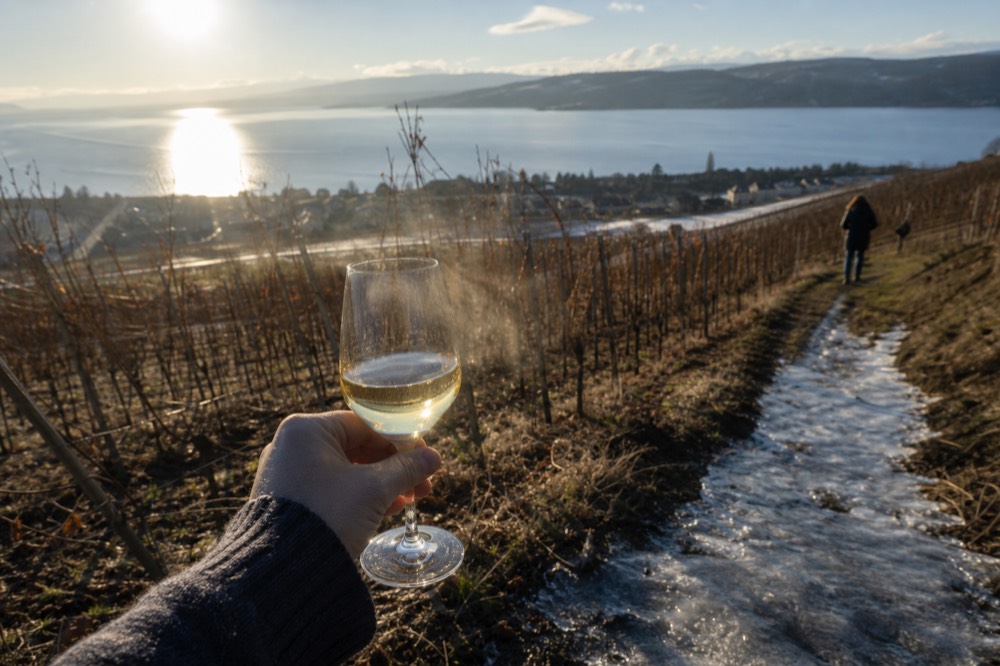
Ice wine deserves a special mention. In the Finger Lakes, it's usually made from Vidal Blanc grapes left on the vine through the hard freeze. They're harvested and pressed while still frozen, which concentrates the sugar and acidity into a luscious dessert wine. The process is risky: the grapes must hang for months after the main harvest, exposed to birds, rot, and wind, and they can only be picked and pressed when the temperature drops well below freezing, often in the middle of the night. Wagner Vineyards and Casa Larga are two producers known for their ice wine, and you'll sometimes find pours of it at the end of a tasting flight. A small glass of it after an afternoon of dry whites makes a memorable finish.
How Does Finger Lakes Wine Compare To Other Cool-Climate Regions?
Compared to well-known cool-climate zones like the Mosel, Alsace, the Loire, or Oregon's Willamette Valley, Finger Lakes wines often sit at a similar quality level but at a much lower price. Rieslings stand up to their German counterparts with the same bracing acidity and minerality, while proteins like lamb or duck suit the region's Cabernet Franc just as they would a Chinon.
A Finger Lakes Riesling of comparable quality to a German Kabinett often costs noticeably less when bought directly from the winery. That gap holds across the board: a flight that would run $25 or more in Napa or Sonoma stays in the $5 to $15 range here, and many wineries refund the tasting fee with a bottle purchase. The value proposition is real, and it's one of the reasons the region has built a loyal following among wine drinkers who want quality without the markup.
The style also tends to be more food-friendly. High acid whites cut through rich sauces and fatty fish, while the peppery, medium-weight reds work beautifully with grilled meats or charcuterie boards. That's why the region's restaurant scene, especially around Geneva and Watkins Glen, has leaned into farm-to-table pairings that showcase local wines. A dry Riesling with a plate of local trout or a Cabernet Franc alongside a grilled lamb chop makes sense on the table in a way that doesn't require a sommelier to explain. The wines are built for food, not just for tasting-room sipping.
If you come expecting Napa's oak-and-extraction style, you'll be thrown off. Finger Lakes wines are built on tension rather than power. The best bottles feel precise and structured, not plush. That's exactly what sets them apart and what keeps drinkers who love Old World wines coming back. The region's reds, in particular, can surprise people who think of New York only as a white-wine state. A well-made Finger Lakes Cabernet Franc has the herbal lift and bright acidity of a Loire red, not the jammy weight of a California cab, and that difference is the point.
For a day that showcases the region's reds and the unique character of a different lake, the Keuka Lake Winery Tour from Crush holds one of the highest ratings on the site: 4.9 stars across 63 reviews. It's a five-to-six-hour group van tour capped at 12 travelers, priced from $269 per person, with tastings included. Keuka's horseshoe-shaped lake and its lack of a sub-AVA give it a slightly different feel, and the wineries here, some of the oldest in the region, are well worth the drive. Keuka's wine history runs deep: several of the wineries on this route were founded in the decades immediately after Prohibition, and the lake's smaller scale means you can cover more ground without long van rides between stops.
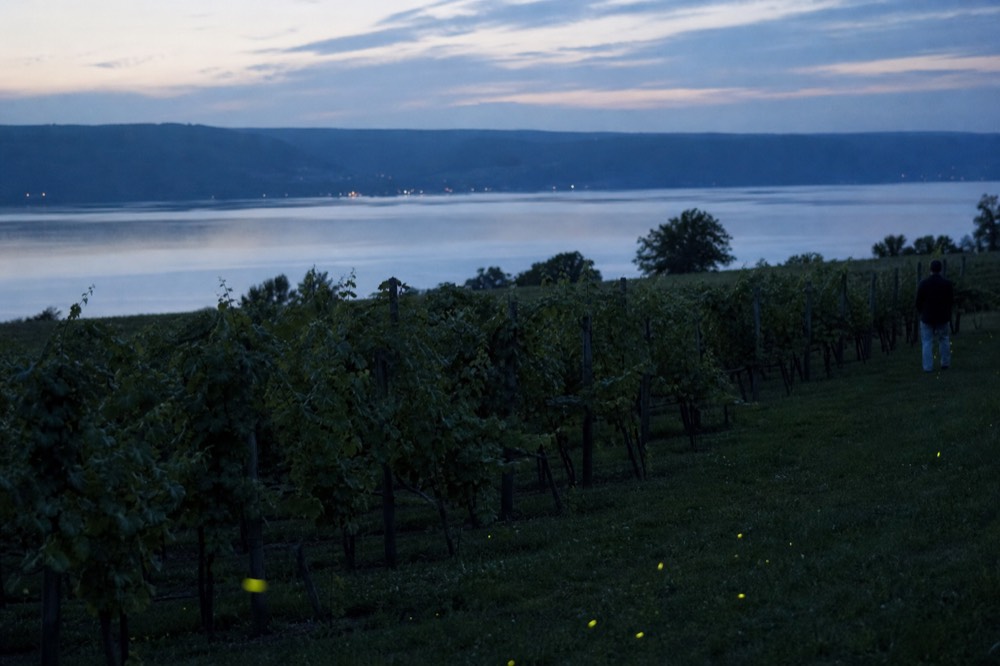
The bottom line: you don't need to geek out on viticulture to enjoy Finger Lakes wine. But if you do, there's plenty of depth here. Between the Riesling, the surprising reds, and the ice wine dessert, the region covers more ground than a casual visitor expects. And the best way to test it all is still a few hours on a lakeside deck with a flight in front of you. The region's underdog status works in your favor: the wines are better than their reputation suggests, the prices are lower than the quality warrants, and the tasting rooms are rarely crowded in the way that Napa's can be. If you're ready to taste for yourself, these three tours cover a solid cross-section of what the region does best.
Common Questions About Finger Lakes Wine
Is Finger Lakes Wine Any Good?
Yes, especially if you enjoy cool-climate whites and lighter reds. Riesling is the standout, earning comparisons to top German examples. Cabernet Franc and Lemberger also perform well. The wines are generally high-acid and food-friendly, very different from heavy California styles but genuinely excellent in their own right.
Is Finger Lakes Riesling Really World-Class?
Many wine professionals say so. The Finger Lakes Wine Alliance calls Riesling "world-class," and blind tastings often place top Finger Lakes bottlings alongside Mosel or Alsace wines. The combination of minerality from the glacial soils and the cool climate's slow ripening creates Rieslings with intensity and balance. The deep lakes moderate temperatures, allowing the grapes to ripen fully while keeping the acidity that makes the wines so vibrant.
How Many Wineries Are In The Finger Lakes?
The Finger Lakes Wine Country tourism association says "more than 100 wineries," while the New York Wine & Grape Foundation puts the figure at about 140 wineries. The exact count fluctuates as small producers open and close, but you can confidently expect well over a hundred around the four main wine lakes. Seneca Lake alone has more than 30 wineries along its shoreline.
Which Finger Lake Has The Best Wine?
Seneca Lake is the heavyweight, with the most wineries, a sub-AVA, and the widest variety of tours. Keuka Lake has older, often family-run wineries and a charming, slower feel. Cayuga Lake has its own sub-AVA and a small but growing wine scene. Canandaigua is compact and scenic. "Best" depends on style, but Seneca gives you the most options and the broadest range of experiences in a single day.
What's The Best Way To Taste Finger Lakes Wine If I Only Have One Day?
A guided small-group tour on Seneca Lake is the most efficient approach. Tours like the Seneca Lake Wine Tasting & Tour from Crush ($263 per person) visit four or five wineries in five to six hours, include tastings, and handle all the logistics. You'll sample across several producers, learn about the region, and return with a solid sense of the wine style. If you'd rather go independent, pick a cluster of three or four wineries within a short drive and plan on a designated driver.